Vill du också ha tillgång till vårt videobibliotek?

  • 2500 videor
  • Ingen bindningstid
  • Testa utan kostnad

Välkommen till vår blogg

Yoga, träning och hälsoinspiration för dig

Live with, after and next to cancer – all of you

Live with, after and next to cancer – all of you

03 maj 2020 | Av

Cancer affects our physical body, but also our mind and mental wellbeing; our entire existence. Treatment to eliminate cancer cells is of utmost importance, but we need to remember that it takes more to regain balance after cancer knocked us. Discover how the five koshas can help us see we're not just physical beings.

This is the sixth blog post in a series on living with cancer that I'll be writing coming months. The introduction and links to the first blog posts, can be found in the first one; To live with, after and next to cancer.

Used yoga to keep performing

When I started doing yoga in my early twenties I came from a world of hard training and competitive running. I took my physical abilities and my performance mindset to the yoga mat. The first year it was just a show, all about looking good doing the postures. From years of training and exercise I was well aware and in contact with my physical body. But I had less knowledge of the rest of me, and I used the yoga poses to keep pushing myself further into performance anxiety and stress, and away from mental wellbeing. Luckily, I had a good teacher who guided me to connect with more aspects of myself and the integrative touch of yoga. That changed everything for me and my overall sense of wellness.

At first glance, cancer is a disease of the physical body. Cells growing out of control causing mayhem in otherwise healthy tissues. It is also medical care for mainly this issue that the health care provides. Killing, eliminating, decreasing the tumorous cells in the body.

The truth is that cancer is a disease that affects not only our physical body, but also our mind and mental wellbeing; our emotions; our beliefs; our entire existence. When faced with the trauma of a life-threatening disease, no matter the outcome, everything we thought we knew is put into question. Whether you are the one living with cancer or the one living next to it, cancer can easily make one feel broken as a person and within one’s life. Sometimes it is physical. Sometimes mentally. Other times emotional, or existential or spiritual.

Because we are not just physical beings.

What is often lost after being diagnosed with cancer, is the care and help for all issues concerning the aspects that is not the physical body. And if you are a loved one, you're often completely on your own. While treatment to eliminate cancer cells is of utmost importance, we still need to remember that it takes more to regain balance after cancer knocked us off our feet.

Yoga is all about integration and bringing together. I often practice and teach from the yogic Kosha model. It gives me a better way to see how everything is connected and that we can’t ignore parts of ourselves if we want to experience wellbeing. It offers help to see, appreciate, and pay attention to the whole person.

The five koshas


Every human being has five Koshas, meaning ‘body’ or ‘sheet’. It is like five layers, kind of like a Russian doll, going from the gross outer physical body to the subtler inner bodies. But, different to the Russian dolls, the bodies/sheets are not separate. They are intertwined and always interacting to make us stay in balance.

1. The physical body: The first body is everything you can touch, see, and feel. It’s skin, muscles, bones, and organs. It’s the tissues that cancer cells destroy. This body is often what us humans are most familiar with because it is visible and touchable. And it is what has the most focus in health care.

2. The energy body: As we reach the inner Russian dolls, the composure of the bodies gets more subtle and less tangible. The energy body includes breath, prana (life force), energy, and the channels which energy runs through. I usually describe it as what gives life to your physical body. You can have a body, but without breath, without energy, there is no life – it is just a pile of flesh and bones.

3. The mental/emotional body: The mental body contains the mind, our senses, emotions, and basic instincts and urges such as hunger, thirst, and sex. It also includes the “older mind”, meaning the sympathetic nervous system with the stress system and fight/flight/freeze response.

I think of this body as what takes in the world. You have a body, you breathe, you have energy and you are alive. But without this Mental body you are in a coma, not aware, not taking in your surroundings, and not communicating with the outer world. When we are exposed by too much and too intense stress, may it be physical or mental, and don’t make time for quiet and recovery, this kosha goes off balance and it often impacts the other koshas strongly.

4. The wisdom body: The wisdom body is the higher mind where your intellect, understanding, reasoning, and intuition resides. It contains the parasympathetic nervous system’s relaxation response that is able to influence and reduce the fight/flight response. That makes us see a bigger picture, analyze a situation and choose a proper response instead of just living by hasty reactions to everything that comes our way. The wisdom helps us see that a thought is just a thought and not necessarily the truth.

5. The bliss body: Here resides the sense of being whole. The connection to your own center, but also the connection to others and the universe. It’s a sense of flow and ease. Connecting to the Bliss body gives you spiritual and existential awareness and meaning. The sense of wholeness and connection is something that can be experienced even when diagnosed with a life-threatening disease; knowing that you are facing death; or loving someone in those situations.
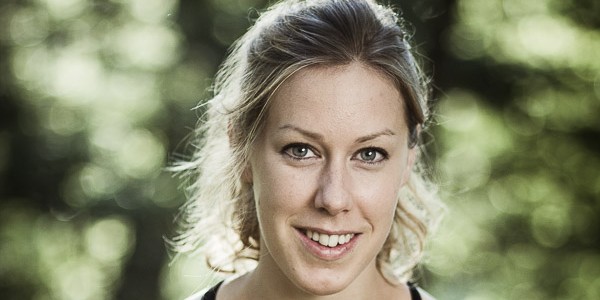
Foto: Mikael Björk

Appreciate all aspects of you

Acknowledging all of these aspects of ourselves, and understanding the interlacing effect they have on each other, help us to work to integrate instead of separate. This is especially important when facing challenging situations.

When we do practices to help release tension in all bodies, we are more likely to experience the joy, ease, and connection to our own center that resides in the Bliss body. We are more likely to feel whole as a person no matter the circumstances.

We can do practices that incorporates all Koshas. We can also focus on one Kosha to access another that might be hard to connect with. For example, if you struggle with a lot of fear and anxiety, that resides in the Mental body, the calm and sensible reasoning that is the Wisdom body might be blocked, as the survival instinct in the stress response is stronger. Focusing on slow, even breaths (Energy body) and muscle relaxation (Physical body) can lower the stress response and reduce the fear and anxiety in the Mental body. Then exercises that strengthen the Wisdom body can have more effect.

Examples of what to focus on for each kosha:

  • Physical body – connect through physical poses; focus on how you place your body for comfort and strength; body scans; muscle relaxation techniques; and so on.
  • Energy Body – do breathing exercises and learn to notice your energy levels – feeling energized, sleepy, dull, restless, or calm are all attributes of the vital energy body – and choose practices that brings your energy in the best direction.
  • Mental body – work with concentration- and focus exercises; mindfulness techniques; and other types of meditations that help direct the power of the mind and thought.
  • Wisdom body – try mantras, visualizations, and guided meditations that help you experience space within. Reflecting upon your own experiences, sharing your story, connection with other with similar experiences is a wonderful way to release tension in the Wisdom body.

Videos integrating all koshas 

Try these practices lead by experienced yoga teacher Mona Anand. She has created a physical flow with focus on integrating all koshas, and a restorative practice to create stillness in the mind. Follow up with a Yoga Nidra, a guided meditation to release tension in all bodies and experience a greater sense of ease.

You can also go back to older posts in this series and look for videos and chose from them if you wish to focus on any special Kosha, for example breathing techniques or meditations.

Yogobe Video: tw35 Yogobe Video: g7x9 Yogobe Video: 8u4g Yogobe Video: x2b5

To watch a full video you need to be logged in as a paying Yogobe member. Haven't tried Yogobe before? Try it for free during 14 days – click here to get started!

War on cancer

The physical challenge is huge for a cancer patient. The mental and emotional challenge is at least as great. War On Cancer is a social media-app, a social network and community, where everyone affected by cancer have the opportunity to share their cancer experience and get in contact with others who actually understand. War On Cancer's mission is to put focus on, and radically improve, the mental health of everyone affected by cancer. The first step is the digital social network that creates belonging and community in a time of isolation and uncertainty. You are reminded that you are never alone. We'll fight cancer together.

Learn more about War On Cancer and download their app at waroncancer.com

Share your story, it will make a difference.

Read more

Öppna inlägget
To live with cancer – little + often = a lot

To live with cancer – little + often = a lot

05 april 2020 | Av

The life challenges that cancer brings sometimes seriously impairs your energy levels and ability to move around. With new circumstances you have to find new ways to increase wellbeing even though your physical ability has decreased. Is it possible to do yoga if it is not physically possible?

This is the fifth blog post in a series on living with cancer that I'll be writing the coming months. The introduction and links to the first blog posts, can be found in the first one; To live with, after and next to cancer.

Focus on wellbeing

Maybe you are fresh out of surgery. Or you are weakened from both the illness and the treatments and have become bedridden or in need of a wheelchair. Perhaps cancer and/or surgeries have caused you to lose bodily functions or body parts.

Yoga is by many viewed as a physical practice. When someone says “I do yoga” or “I’m going to yoga today” they usually mean doing poses in sequences on a yoga mat. So, what if that is not an option? Is yoga not for you if you can’t go to yoga class?

My boyfriend had a very rare type of cancer. The original tumor was on the urine bladder but there were several metastases in his spine already when he was diagnosed. During his illness he had three major surgeries – two to his back to stabilize the spine and reduce the metastases, and one in the abdominal to remove the original tumor. All the surgeries temporarily restricted him, forcing him to stay still and reducing his movement options. Eventually though, the tumor in the spine grew too big and he became paralyzed from the chest down. At the same time both the advancing cancer and the chemo made him weak and tired.

My boyfriend’s story is of course unique and only his, but it is not unusual. For so many diagnosed with cancer the impact on the body is very noticeable, leaving us to adjust to new circumstances and conditions all the time – temporarily or permanently.

Yoga didn’t become a part of my boyfriend’s life until he was paralyzed. Being a dedicated runner, he liked to run long and far. He never engaged in “yoga on a mat” before being paralyzed and wasn’t able to after. But he did find yoga helpful when he adjusted to his new circumstances living with cancer.

A little + often = a lot
Yoga offers a wonderful way to reconnect with yourself when you are going through hardship. Small movements and short exercises will improve body awareness; put focus on your vital breath; help you become aware of thoughts and emotions; and find relaxation – all of which increase both physical and mental wellbeing.

Though, it is a daily practice. Wellbeing is not a fixed state that we can accomplish, like a goal that we can “check off” and we’re done. It is a constant, ongoing way of showing up for ourselves – again and again.

To not be overwhelmed by “daily practice”, have this in mind: A little + often = a lot. We sometimes think that we have to do much and put in a lot of effort for something to have an effect. We think that if we can’t yoga for 60 minutes it’s not worth it. Forget about that.

Know that those two minutes you close your eyes and listen to your breath makes a difference.

Know that that gentle twist lying in bed makes a difference.

Know that sitting up and circle your arms a few times makes a difference.

Know that gently rubbing and massaging your feet makes a difference.

Know that taking a pause and paying attention to the constant stream of thoughts makes a difference.

Know that those seconds and minutes together equals a lot.

When cancer restricts and limits, we must try to change focus from what we no longer can do, to what we actually can do. Even if you struggle with your physical abilities there are still many ways for you to practice yoga and self-care. Doing yoga doesn’t require a yoga mat or being able to move around on it. Nor does it have to be a certain amount of time or specific postures. You can still do yoga, lying in a hospital bed recovering after surgery.

Take “A little + often = a lot” to your heart. Let those words guide you as you do what you can, with the energy level and movement ability you have right now.

Yoga, breathing and relaxation exercises online

Below you'll find some recommended videos to practice at home. Most of the videos are 5-10 minutes long. Some exercises and techniques can be done in lying in bed, even if they are shown standing or sitting in the videos.

Breath focus
After surgeries breath exercises are important. The anesthesia hampers the breath, and chest and abdominal surgery can make breathing painful. Always follow the guidelines from doctors and physical therapists, but you can keep strengthening your breathing with following exercises:

Yogobe Video: s65z Yogobe Video: 32uz

Sometimes there are no room, possibility, or energy for moving your body. Try this mini yoga using your fingers and hands. The Swedish and English version are slightly different, but both exercises help you land in your body and increase concentration and moment to moment awareness:

Yogobe Video: 37wr Yogobe Video: x53f

Relax and reconnect
Don’t be fooled that these videos are called Kids yoga. They are great – both for kids struggling with cancer, and for adults. Take part of Angelicas 5 super tricks for relaxation – short, simple, accessible to do anywhere!

Yogobe Video: kt93

Use these yoga stories to say Hi! to your body and connect to each body part.

Yogobe Video: 96re Yogobe Video: 93bz

This is a wonderful way to connect with your feet and the ground. Neuropathy is a common side effect and this gentle way of focusing on your feet can be helpful:

Yogobe Video: u45t

Gentle movements
These easy movements can be done anywhere. Stay in bed, get on the floor, or find a chair, and move your body for a while.

Yogobe Video: t68f Yogobe Video: p2d5 Yogobe Video: g23z

To watch a full video you need to be logged in as a paying Yogobe member. Haven't tried Yogobe before? Try it for free during 14 days – click here to get started!

War on cancer
The physical challenge is huge for a cancer patient. The mental and emotional challenge is at least as great. War On Cancer is a social media-app, a social network and community, where everyone affected by cancer have the opportunity to share their cancer experience and get in contact with others who actually understand. War On Cancer's mission is to put focus on, and radically improve, the mental health of everyone affected by cancer. The first step is the digital social network that creates belonging and community in a time of isolation and uncertainty. You are reminded that you are never alone. We'll fight cancer together.

Learn more about War On Cancer and download their app at waroncancer.com

Share your story, it will make a difference.

Read more

Öppna inlägget
Från utmattning till liv

Från utmattning till liv

15 mars 2020 | Av
Yogobe

För tio år sen brakade Anna Nykvist ihop av stress och utmattning, drygt 20 år gammal. Höga krav på sig själv och att ständigt vara "duktig flicka" blev för mycket. Här berättar hon hur samtalsstöd, meditation och yoga hjälpte henne till en ny vardag. Och skickar en önskan om att medicin inte måste vara förstahandsrekommendationen vid utbrändhet och utmattning.

Enorma krav på mig själv

Jag har länge funderat på att dela min historia, men alltid backat. Troligtvis av rädsla för vad andra ska tycka plus att jag gillar att ha ett privatliv. Men jag känner att det är dags att stå för min berättelse. Kanske kan den hjälpa någon annan.

I år är det tio år sedan jag hade stressproblematik för första gången. Inte en så stor grej kan man tycka, idag bränner ju var och varannan ut sig hela tiden. Sorgligt men sant. Enligt Sara Hoy som skrivit boken “Yoga, vetenskap och fakta” är mental och stressrelaterad ohälsa den vanligaste orsaken till sjukskrivning i Sverige idag. Men för tio år sedan var det inte så och framförallt inte bland dem som nyligen passerat 20-årsstrecket.

Jag tänker inte gå in så mycket på varför mer än att jag hade enorma krav på mig själv och var den duktiga flickan ut i fingerspetsarna med alltifrån plugg, träning, kost, sociala relationer och familjen. Jag lyssnade på alla utom mig själv. Och det var egentligen ingen annan som bad mig om det, utan det var så jag trodde att jag var tvungen att vara för att bli omtyckt.

Ett steg fram och två steg tillbaka

Jag kommer fortfarande ihåg när jag bröt ihop. Jag fattade ingenting, ångesten slog till med rekordfart och jag försökte hålla mig själv samman. Sen kommer en tid då jag inte minns så mycket mer än att jag rasade i vikt, inte kunde äta, läsa eller träffa människor. Grät konstant. Att gå 100 meter fanns inte på kartan. Men jag har aldrig nöjt mig med att “så här ska det vara” så när läkarna ville ge mig antidepressiv medicin sa jag motvilligt ja (för jag visste inte vad annars jag skulle göra och alla i min omgivning sa att jag borde äta det), men jag började även praktisera mindfulness via en bok och cd-skiva som min mamma gav mig.

Jag gick samtidigt i samtalsstöd och sakta, sakta började jag må bättre. Ofta ett steg fram och två tillbaka. Men jag gav inte upp. Jag praktiserade varje dag. Åren som följer efter det är lite av en bergochdalbana och ett grått mörker. Till slut började jag fråga mig själv vad jag verkligen ville och det var först då det började hända grejer. När jag slutade försöka vara andra till lags och göra det som jag trodde förväntades av mig. Det ledde till att jag flyttade till Småland och började läsa till hälsoutvecklare och massageterapeut. Något av det bästa jag gjort i mitt liv by the way. Jag lärde mig mer under ett år på folkhögskolan än tre år på universitetet.

Här träffade jag likasinnade och kände mig inte lika mycket som ett ufo. Det fanns andra som också undrade vad meningen med livet var och som hade ett intresse i psykologi, hälsa och välmående.

Meditation och yoga hjälpte

Det tog mig många år att komma ur mitt dåliga mående, och det var inte en spikrak resa. Faktum är att jag åt antidepressiv medicin i sex år och jag försökte sluta mer än en gång innan jag lyckades. Sex år är en ganska lång tid och jag ljuger inte när jag säger att det var ett rent helvete att sluta. Men det går. Idag kan jag med viss stolthet säga att jag varit medicinfri i fyra och ett halvt år. Mycket eller helt och hållet tack vare meditation och yoga, tillsammans med annan fysisk aktivitet, samtalsstöd och böcker. Medicinen vet jag inte om den hjälpte eller inte, kanske fick jag upp huvudet ovanför vattenytan men mer än så var det inte.

Enligt SVT Nyheter äter ungefär en miljon svenskar antidepressiva läkemedel och Sverige hör till de länder i världen där befolkningen tar mest antidepressiv medicin.

Jag dömer ingen som äter medicin, ibland räddar det liv. Det jag önskar så här i efterhand är dock att man föreslagit andra alternativ innan man går till medicin, istället för att medicin ska vara det självklara första valet. Idag finns det massa forskning på fysisk aktivitet, yoga, meditation, skogsbad och massage. Varför var det ingen läkare som någonsin pratade om det?

Tankar behöver inte vara sanna

Jag bär fortfarande på sår och tankar om att det är något fel på mig. Tankar som redan är vanliga om man tillhör skaran av högkänsliga. Men idag vet jag att det bara är tankar, de behöver inte vara sanna. Jag kan fortfarande bli rädd i perioder då jag upplever mycket stress, vilket blir en form av trigger, trots att det är flera år sedan jag var sjukskriven. Men yogans verktyg är magiska. På riktigt. Men jag är ödmjukt medveten om att allas vägar är olika. En del gillar yoga, andra något annat.

En del i min närhet vet inte om detta och jag vet att synen på depression och utmattning inte är helt positiv då det kan ha långtgående effekter flera år framöver, för att inte säga en hel livstid. Många kommer aldrig tillbaka till samma nivå som innan. Själv vill jag inte tillbaka, för jag pushade mig själv för hårt utan att fråga mig själv varför, på vilket sätt och om jag tyckte det var värt det. Eller om jag ens ville det. Idag tänker jag att kroppen säger ifrån av en anledning.

Idag har jag också verktygen att hantera det jag möter, känner och upplever. Jag vet vad jag ska göra en dag då jag känner mig extra känslig eller låg vilket ofta får mig att komma tillbaka starkare än innan. Men bara om jag bejakar sårbarheten från början och vilar. Om jag kör över mig själv får jag ofta ta kostnaden för det en dag eller två senare. Trots att jag älskar mitt jobb. Att arbeta som yogalärare, hälsoinspiratör och skribent är en dröm som ofta känns för bra för att vara sann.

Blir vi någonsin fullärda och perfekta? Jag tror inte det. Risken är att vi gör oss själva till ett självförbättringsprojekt, ständigt något som behöver justeras och fixas till. Jag har mer och mer börjat gå över till livsfilosofin att vi är människor först. Alltid. Inte yogi, förälder, vän, barn, partner, utan människor. Människor med hopp och förtvivlan, oläkta sår, drömmar och önskningar. Som alltid har mer att lära och samtidigt är kompletta precis som vi är.

Väljer att leva

Kanske finns det någon där ute som kan känna igen sig i min historia. Då delar jag gladeligen. Detta är en del av det som gjort mig till den jag är och jag är tacksam över att jag fortfarande lever, och inte valde vägen som ibland kändes lättare att välja. Att välja att inte leva. Men jag lever och jag tänker göra mitt liv värt att leva. Kanske inte varje dag, för alla har vi dagar som är tunga. Men i det stora hela. Jag tänker välja livet, ta risker och följa det som känns rätt för mig.

Med det sagt så vill jag uppmana dig att drömma, önska och fantisera allt vad du kan. Ta små steg och lyssna inåt. Vem har bestämt att livet måste se ut på ett visst sätt? Du sätter reglerna. Att vara frisk i en sjuk värld, är det friskt? Vi skapar själva vår framtid, ett andetag i taget. Hur ser din framtid ut? Livet är för kort för att levas efter någon annans normer. Vilka är dina?

"Du ska tacka dina gudar,
om de tvingar dig att gå
där du inga fotspår
har att lita på.

Du ska tacka dina gudar,
om de gör all skam till din.
Du får söka tillflykt
lite längre in.

Det som hela världen dömer
reder sig ibland rätt väl.
Fågelfri var mången,
vann sin egen själ.

Den som tvingas ut i vildskog
ser med nyfödd syn på allt,
och han smakar tacksam
livets bröd och salt.

Du ska tacka dina gudar,
när de bryter bort ditt skal.
Verklighet och kärna
blir ditt enda val."

Karin Boye

Lästips

Videotips

Yogobe Video: w98c Yogobe Video: 8ts3 Yogobe Video: 4f9w Yogobe Video: pd46

För att se en hel video behöver du vara inloggad som betalande medlem hos Yogobe. Ny till tjänsten? Prova gratis i 14 dagar, utan bindningstid. Klicka här och kom igång direkt!

Om Anna

Till vardags arbetar Anna Nykvist som hälsoinspiratör och yogalärare på en av Göteborgs största yoga- och spaanläggningar, Hagabadet. Hon representerar och skriver även artiklar och texter för tidningen ”Yoga för dig”.

Anna är utbildad yogalärare inom hatha, yin, restorative, kundalini, gong och mindfulness. Hon har studerat för lärare som Ulrica Norberg, Hillevi Borga, Annki & Klas Landahl, Emma Öberg, Magdalena Mcweld och Sarah Jonsson. Akademiskt har hon en utbildning som personalvetare samt en mer praktisk utbildning som hälsoutvecklare och massageterapeut. Se mer om Anna på hennes facebook-sida och på Instagram!

Öppna inlägget
To live next to cancer – don't forget yourself

To live next to cancer – don't forget yourself

08 mars 2020 | Av

Spouses and partners to cancer patients have a higher risk of illness. The stress and the increased demands in caring for a loved one may be too overwhelming. This is why self-care is so important. You need to care of yourself, for yourself.

To lose oneself while caring for another

This is the fourth blog post in a series on living with cancer that I'll be writing the coming months. The introduction and links to the first blog posts, can be found in the first one; To live with, after and next to cancer.

The fact that yoga and a routine of introspection, self-care, and exercise was well integrated in my life didn’t matter when my boyfriend was diagnosed with cancer. He and the cancer became center of attention and I neglected myself to support and care for him.

Luckily, he was smarter than I. He shoved me out the door to go running. He told me to leave the hospital and go to yoga when I wanted to stay with him. He said that he would be fine alone if I wanted to meditate, and that I would feel better if I did so. He was right. Of course, he was.

It is so easy to lose oneself when living next to cancer. When someone we love and hold so close is threatened by death or suffers greatly during treatment, how can we not? At the hospitals and in the health care system all focus is on the sick person. As loved ones we suffer too. We are scared, sad, tired, and overwhelmed too. But our needs are put aside, and we are often forgotten.

You become the Project leader

Research made by Katarina Sjövall at Lund University show that relatives to those diagnosed with cancer get sicker as well. Spouses and partners to cancer patients have a 25% higher risk of cardiac disease; joint- and muscle pain; mental illnesses such as depression and anxiety; and burn out. Exactly why is not firmly established but probably due to the psychological stress and the increased demands caring for the spouse.

Ola Ringdahl talks in his book Att stå bredvid cancer about the roles loved ones take on. It is easy to understand how and why we ourselves end up at the doctor’s office in need of care. When “The Cancer Project” starts you become the Project leader keeping track of doctors’ appointments; making sure information is not lost between different hospital wards; and acting as the Interpreter, the Translator, and the Extra memory. You are the Caretaker putting on band-aids, cleaning up vomit, and making sure the medications is taken at the right time.

When the sadness and anxiety become too great you are the Comforter, giving your partner, child, parent, or friend a hug and wipe away their tears. You are also the Informer, the one others turn to to know how the sick one is doing. And even if cancer puts pause on your lives, the world around continues to spin. That means that you also shoulder the tasks of the Everyday creator, maintaining some kind of normalcy with work and family.

Prioritize yourself / Self-care

You are also a just You. But You are often not allowed to take up space. Living next to cancer usually means that when You are in a desperate need of a break from all the roles, guilt kicks in. Taking time for yourself when cancer is raging in your loved one’s body is just selfish, right?

The guilt is a constant companion. I’ve lived with it, and from conversations with others living next to cancer, I know it is something almost everyone struggles hard with. A common comment in cancer communities is that they work so hard all the time, but they don’t know how they can keep it up. They are running out of energy. Deep down you KNOW that prioritizing yourself once in a while is important. You need to find ways to make yourself last. For your loved one’s sake, but mostly for your own. You know best which ways works best for you to recharge, but here are some tips:

Sara Hoy has written the book Yoga och vetenskap – därför funkar det. Science show us that yoga makes us more resilient to stress, decreases blood pressure and reduces the risk of cardiac disease; helps with depression; and reduces anxiety. See how that correlates to the illnesses I mentioned above that those living next to cancer are in higher risk of?

Based on her book Sara has created two versions of the same class – one slower and one faster – so that you can choose based on your energy level:

Yogobe Video: s6k9 Yogobe Video: d9t8

A video in English for the busy mind, with Sara Platt Finger:

Yogobe Video: 9e4k


Rest to restore and get an understanding on how to work with situations out of your control:

Yogobe Video: 8ts3 Yogobe Video: 26tf


Be kind to yourself. You do so much. So much. Even if it feels like you’re doing nothing. 
Try this meditation for self-compassion and loving kindness:

Yogobe Video: g97h

Give yourself a short break and a few moments of breath, space, and movement. You will feel better afterwards:

Yogobe Video: ax64 Yogobe Video: 65451279 Yogobe Video: eu26 Yogobe Video: 7x4p

To watch a full video you need to be logged in as a paying Yogobe member. Haven't tried Yogobe before? Try it for free during 14 days – click here to get started!

Reach out for support

It’s important to know that you are not alone. All the hard questions, the weird thoughts, and forbidden feelings have been asked, thought, and felt by thousands other. There are comfort and perspective to find. You need someone to share the emotional whirlwind of despair and hope and happiness and grief with.

Friends and family provide love and support that no outsider can. Reach out for arms that hug you and ears that listen, ask for help with errands and chores – everything that makes life easier for you. You don’t need to be strong alone.

A therapist provides an objective view and professional experience of untangling gnarly thoughts and feelings (and won’t judge you when you share that you are angry at your partner for getting cancer and ruining your life and future, or that you’re so tired you just wish everything would end.)

A community gets you. They live, or have lived, through the same as you do. The understanding and exchange of stories and experiences are truly helpful.

Cancerkompisar
Under the words “No one should become sick from being a relative” Cancerkompisar (Cancer buddies) does a huge job of lifting the relatives cause into the light to prevent illness and giving hope, support, and help to those who help others. They both provide an online platform working as an open support group, and a service where you get matched with someone in a similar situation – you get a cancer buddy to share with and seek comfort from. 

War On Cancer 

The physical challenge is huge for a cancer patient. The mental and emotional challenge is at least as great. War On Cancer is a social media-app, a social network and community, where both cancer patient and loved ones have the opportunity to share their cancer experience and get in contact with others who actually understand. It creates belonging and community in a time of isolation and uncertainty.

War On Cancer's mission is to put focus on, and radically improve, the mental health of everyone affected by cancer. The first step is the digital social network that creates belonging and community in a time of isolation and uncertainty. You are reminded that you are never alone. Learn more about War On Cancer and download their app here!

Share your story, it will make a difference.

Read more

Öppna inlägget
Så får jag till min yogatid

Så får jag till min yogatid

01 mars 2020 | Av

Många av oss mammor kanske tappar bort oss själva i roller, eller normer som vi tror vi måste följa. Men att tillåta sig eget utrymme kan hjälpa. Jag andas, jag känner mitt bröst och mitt hjärta slå, jag hittar stunden att känna att jag lever. Läs mer om hur yogan kan ge andrum i vardagen!

Det berömda livspusslet

Du ska vara en uppmärksam, kärleksfull, förstående och vårdande mamma. Du ska hjälpa barnen i skolan och på fritidsaktiviteterna. Du ska laga ekologiskt, lokalt odlade, nyttiga måltider. Och sen kanske driva ett litet företag eller arbeta på ett roligt jobb, tjäna tillräckligt för att bo bra, ha ett rikt socialt liv och hinna träna och hitta egentid. Svårare än så är det ju inte att vara mamma idag. Eller hur? Ett lätt pussel!

Här har yogan har verkligen hjälpt mig som mamma, fru, egenföretagare och kvinna. Att få vara uppmärksam i min yoga, vara mindful och vara medkännande med mig själv, tillåta mig eget utrymme. Det hjälper mig att möta utmaningar som att ha störd sömn, vabba, inte brusa upp. Det hjälper mig att hitta balans. Yoga och mindfulness hjälper mig att hålla mig lugn och jordad i situationer när jag stressar upp mig, målar fan på väggen och tror världen ska rämna.

För mig handlar yogan mer och mer om att öva på att hitta andetaget, hitta mellanrummet mellan att vara för ”på” och helt av. Att inte vara för snabb i svar och reaktioner i mitt vardagsliv som mamma, partner och kollega. Inte döma mig själv. Jag försöker leva efter ahimsa mot mig själv, liksom ha en del av santosha som hjälper mig att släppa mina förväntningar på mig själv och vara mer med det som är nu. Tillåta mig andas på mattan, helst på morgonen, landa i mig själv och stabilisera mitt inre. Jag hittade yogan när min dotter var fem, det var en slags frälsning. Hade jag hittat yogan under min gravditet hade jag gärna gått på gravidyoga, den lugna varianten. Men jag tror att man ska släppa förväntan på sig själv under den tiden man ruvar på en bebis. Vi är alla OLIKA.

Yogan hjälper mig

Min yogapraktik påminner mig inte bara att jag är tillräcklig, utan att jag är en sensuell människa, inte bara mamma, partner eller naprapat. För många av oss kanske tappar bort oss själva i roller som samhället lägger på oss, eller normer som vi tror vi måste följa. Jag lyckas hitta paus i den fridfulla och njutbara aspekten av att flytta kroppen in och ut ur poser samtidigt som man fokuserar på andningen, på muskler i min kropp som tillåter den att vara stark, rörlig och stilla. Yogan gör ibland underverk för min självbild och jag lär mig släppa tankar som att jag aldrig gör eller ger av mig själv tillräckligt.

Att hitta min tid på mattan hjälper mig att ta mig tillbaka in i min kropp och påminna mig om att jag ens har en kropp. Jag säger till mig själv att andas in, känna mina fötter och känna mitt skelett stötta mig. Jag andas, jag känner mitt bröst och mitt hjärta slå, jag hittar stunden att känna att jag lever. Inte bara rusa på i ekorrhjulet, jag hinner stanna upp, jag tar en timme, två eller ibland bara femton minuter för att vara med mig själv. Det är övning i att lära sig tycka om sig själv! Praktiken hjälper mig se min kropp, känna mina andetag, lyssna på mina tankar och lära mig självmedkänsla.

Ge plats åt mattan

Jag gör plats för min yoga alla dagar, jag låter den inte falla till föga för andra saker, snarare flyttar jag på annat för att ge plats åt mattan. Yogan hjälper mig att påminna mig om att livet, precis som i en yogapose, kan vara lite obehagligt men att man kommer ur det. Yogaklassen kan ibland kännas som bara en tid som ska klämmas in i vår vardag. För mig finns inte att INTE yoga. Jag ger mig tillåtelse att släppa taget om vissa vanor jag haft och har lämnat plats för min yoga. Jag tar ansvar för min yogatid. Det är ju min praktik. Jag står upp för min praktik genom att prioritera det och organisera så att det passar i livet, snarare än att hitta ursäkter för att inte praktisera.

Min yoga handlar inte bara om den tid jag spenderar på mattan. Yogan lever i varje ögonblick av mitt liv. Det finns många sätt att "praktisera" under dagen: Jag vaknar tidigare för att få tid att praktisera och meditera. Att försöka göra saker långsamt och medvetet så att varje aktivitet upplevs och jag försöker känna hela ögonblicket. Att vara i naturen, att känna kroppens konturer mot luften. 

 Andas in det du behöver, andas ut det du inte behöver! För att behålla min praktik när saker blir stressiga tar jag till pranayama: tar kontroll över livskraften och riktar den. Andas in och andas ut, och låter mitt sinne följa andningen.

Videotips

Yogobe Video: z9k4 Yogobe Video: pd25 Yogobe Video: 7rds Yogobe Video: t5w3

För att kunna se en hel video behöver du vara inloggad som betalande medlem på Yogobe. Är du ny till tjänsten? Prova gratis i 14 dagar utan bindningstid – klicka och kom igång här!

Lästips


Öppna inlägget
Stå ut – eller ta sig ut?

Stå ut – eller ta sig ut?

23 februari 2020 | Av
Yogobe

Hur kan yogans filosofi hjälpa dig att växa och hitta hem? Yogaläraren Malin Svanholm sökte svaret under sju år genom att praktisera och studera yogans åttfaldiga väg. Här kan du läsa hennes tankar runt projektet som till slut blev en bok. 

Nya perspektiv med hjälp av yogan

Varför yogar du? Vad är det i yogan som lockar dig? Varför fortsätter du yoga? Alla har vi vår egen berättelse och vår egen väg in i yogan. Jag tycker det är fint att det finns mängder av olika svar på frågorna ovan. När jag gräver i mitt eget djup hittar jag en längtan efter något större. Det är den längtan som lett mig till yogan och som gör att jag stannar kvar. Yogan kan hjälpa oss att stå ut med livet, vilket inte är så dumt, men den kan också hjälpa oss att ta oss ut, vilket i mina ögon är ännu bättre.

Yogan kan få oss att byta perspektiv, se möjligheter och förändra förutsättningarna för hur vi lever. Helt enkelt hjälpa oss att rymma ur hamsterhjulet av intryck, begär och handling. Det där hjulet där vi är totalt fångade av de intryck vi får från vår omgivning men också intryck från våra tankar och från våra känslor. Dessa intryck leder till ett begär, vilket gör att vi agerar på ett eller annat sätt, vilket i sin tur leder till nya intryck. Det tar aldrig slut! Men yogan erbjuder oss en möjlighet att ta oss ut ur detta mönster, som att rymma – eller kanske snarare att komma hem.

Yogans åtta grenar: verktyg för att hitta vår väg

Och när vi gör den här resan – följer vår väg ut ur hjulet, kan det vara skönt med något att hålla i handen. I yogan hittar vi så oändligt många tekniker och verktyg för att hjälpa oss att leva vårt liv och hitta vår väg. Dels beprövade praktiska tekniker som asana, pranayama och meditation, och dels ett otroligt rikt filosofiskt tankegods, som vi kan vila i, leka med eller utmana oss med. Vi yogisar brukar ofta slänga ur oss saker som ”yoga är till 99 % praktik” vilket ju inte bara syftar på asana på yogamattan utan också omfattar den filosofiska biten. Så ser åtminstone jag på den åttfaldiga vägen – som yogiska principer att använda oss av. Pröva dem, lev dem, använd dem.

Just att använda den åttfaldiga vägen var något jag medvetet praktiserade under en längre tid. Jag använde en vecka till att förkovra mig i en av principerna. Därpå gav jag mig själv olika uppdrag, vilka jag sen praktiserade veckan därefter. Eftersom de första två vägarna, yamas och niyamas, innehåller vardera 5 principer, blev det totalt 16 principer. Efter sju års praktiserande och förkovrande och skrivande fram och tillbaka, blev det till slut en bok av mitt projekt, ”Happy, healthy, holy. Den yogiska vägen till ett helt och hållbart liv.” En bok om den yogiska vägen och hur man kan levandegöra de olika principerna i sitt eget liv. Till och med datorn tycker att det är ett självklart val, att praktisera den yogiska vägen. Den stavar alltid om så att det blir ”den logiska vägen”, när jag skriver. Och resan bara fortsätter. När jag är klar är det dags att börja om igen. För då har jag ju förändrats, i bästa fall vuxit, och ser saker ur ett lite annat perspektiv. Just så vill jag leva livet: Rymma ur hamsterhjulet med jämna mellanrum. Växa. Och hitta hem.

Om Malin Svanholm

Malin Svanholm är yogalärare och pedagog med dansbakgrund. Hon undervisar i bland annat hathayoga, yinyoga, restorative yoga och meditation med sin bas i Vaxholm där hon är en av grundarna till Vaxholm Yogacenter. Sedan flera år undervisar Malin också på yogalärarutbildningar, kurser och workshops i Stockholmsområdet, på västkusten samt utomlands. Läs mer om Malin på hennes hemsida!

Om ”Happy, healthy, holy. Den yogiska vägen till ett helt och hållbart liv.”

Det här är en bok för alla som någon gång har funderat över sin plats i tillvaron och tycker att det är dags att vandra sin egen väg. Med hjälp av yoga kan vi alla hitta möjligheter vi inte visste att vi hade.

Malin Svanholm har applicerat de yogiska principerna från den åttfaldiga vägen i en vanlig vardag med inre och yttre krav. Hon tar sig an 16 olika uppdrag för att utforska hur allt från disciplin, en tupplur och bastubad till att skänka bort sin båt kan hjälpa oss att hitta vår väg i livet. När såväl hjärnan, hjärtat och kroppen får vara med så kommer kraften, lusten och tilliten till oss. Köp boken här eller maila [email protected] för att köpa den direkt av henne! 

Videotips

Här hittar du föreläsningar runt yogafilosofi, du hittar fler i videibibiblioteket. Vill du fördjupa dig ytterligare i ämnet, ta del av Simons Krohn populära onlinekurs här!

Yogobe Video: 4x2r Yogobe Video: 9f2c Yogobe Video: t56s Yogobe Video: 38dp

För att se en hel video behöver du vara inloggad som betalande medlem hos Yogobe. Ny till tjänsten? Prova gratis i 14 dagar, utan bindningstid. Klicka här och kom igång direkt!

Lästips

Öppna inlägget
To live with cancer – Increase intensity to decrease fatigue

To live with cancer – Increase intensity to decrease fatigue

15 februari 2020 | Av

Cancer related fatigue is one of the most common side effects cancer patients suffer from. An overwhelming exhaustion that affects all aspects of life. But new research shows that there's one action that has proven very effective to alleviate and reduce fatigue. Learn more here! 

This is the third blog post in a series on living with cancer that I'll be writing the coming months. The introduction and links to the first blog posts, can be found in the first one; To live with, after and next to cancer.

The key to reduce fatigue & nausea

The legs feel like lead. No, that’s a lie. The whole body feels like lead. You can’t think and you struggle to follow the conversation you’re in. The brain feels as heavy as the body.

Cancer related fatigue has entered. Uninvited it ignored knocking on your front door. It just stomped right into your house and made itself comfortable on your favorite couch. And in your bed. And in the kitchen. It accompanies you at work, and it won’t even leave you alone when you hang out with your friends or enjoy time with your family. It puts a heavy dark cloud on the activities you love but now can’t find the energy to appreciate, or even do, anymore.

That's the thing with fatigue – it affects all aspects of your life.

Cancer related fatigue is one of the most common side effects cancer patients suffer from. Fatigue is something else than just feeling very tired. You can’t make it go away by resting more and you feel as drained in the morning as you did before going to sleep the evening before. It is a persistent and overwhelming exhaustion that decreases capacity for both physical and mental work.

Although the level of fatigue, and how long it lasts, differs from person to person, a lot of patients rate fatigue as one of the hardest side effects to deal with due to its severity and impact on quality of life. Once considered a side effect that “comes with cancer” there are now many things that can help with managing the paralyzing feeling of exhaustion.

This blog post introduces one action that has proven very effective to alleviate and reduce fatigue. One way to show fatigue that it’s not welcome, is to do exactly the opposite of what it wants you to do. Fatigue wants you to join it resting on the couch, taking an extra nap, sleep more in the morning. While all those things are good and important for recovery, they should not be all you succumb to.

Introducing: Physical activity!

Exercise is the key

Before it was said to cancer patients to rest to restore energy levels. Now more and more research show that being physically active is not only safe and well-tolerated by cancer patients but also a key factor to reduce symptoms such as fatigue and nausea. The thought of exercising may be overwhelming when you are already feeling depleted. But exercise can increase energy levels and help you to build stamina to do more of your usual activities.

In Helsingborg exercise has become a part of the treatment in cancer care. During the fall of 2019 a project started at Cancerrehabiliteringsmottagningen at Helsingborgs Lasarett. Every patient about to undergo chemotherapy is scheduled to meet a physiotherapist to come up with an individualized exercise plan.

“It’s not a study to see the effects physical activity has on our patients. We already know from many studies that cancer patients benefit from exercise when it comes to counteracting both short- and long-term side effects, especially fatigue. This is a project to evaluate how we can implement exercise as standard care for cancer patients”, says Patrik Göransson, psychologist and leader of the patient process at the Cancerrehabliteringsmottagningen in Helsingborg.

Prevention and treatment

In collaboration with Friskis & Svettis, the hospital offers patients two training sessions each week. The sessions focus on circuit training that includes both strength work and getting the heart rate up, as the combinations of those seem to give “the most bang for the buck”. For those who decide to exercise outside of the hospital-organized sessions the physiotherapist takes extra time to create a plan for them to follow on their own.

“We see physical activity and exercise as prevention and treatment, with the aim to improve the patients’ physical and mental health. We use the same terminology as with medicine, talking about training sessions as doses. It should be natural for doctors, nurses, and patients to see exercise as a part of treatment. With the right support we want to create a behavior pattern where physical activity is a natural part of everyday life.”

Apart from showing fatigue the door, exercise encourage better treatment results. As chemotherapy takes its toll on the entire body, physical activity is important for patients to keep, and even gain, strength and aerobic fitness during treatment. Being in good physical shape seem to improve resilience in a way that lead to less need of care due to treatment related side effects. It also increases the capability to endure the medicinal treatment plan.

Patrik also addresses the positive psychological impact exercise and the feeling of participating have.

“It gives a different perspective from just fighting against cancer”, Patrik says. “You fight FOR something. You fight for wellbeing, for more strength, for better energy in everyday life. It is a positive direction of intention and energy”.

Women in the Swedish study OptiTrain said that the exercise made them experience health, even if battling side effects. Participants often reported to be tired and affected when they arrived for training. Afterwards they expressed feeling better and healthier.

Managing fatigue with exercise

Being physically active is good, but it is always a good idea to talk to your doctor or physiotherapist before starting an exercise program. You can get advice about the best routines for you and discuss if there are any contraindications or limitations that can affect how you tolerate exercise.

Some tips for managing fatigue with exercise:

  • Combine aerobic exercise with strength training = Do something that gets your heart rate up, like walking, running, cycling, dancing, swimming + lift, push and pull something heavy, like your own body, weights, resistance bands, furniture, a child.
  • Base the activity on your own level.
  • Find a regular, daily if possible, routine of being physically active. Some days that will mean high intensity training, other days that will mean a short walk. Doing something active will often make you feel better and more energized after.
  • Be mindful and pace yourself. Allow for rest if necessary.
  • Try breaking up exercise in into smaller amount of time. 3x15 minutes during a day might be better than 1 longer block of time.
  • Exercise with friends and family or ask if there is an exercise program for cancer patients at your hospital. Having a support network both makes exercise more fun and manageable.

Exercise at home

Sometimes it feels better, and easier, to exercise at home and not having to go to a gym. Then online classes come in handy. Below you'll find video recommendations to inspire you to get started. 

STRENGTH
Get your muscles working with these nice whole-body sessions. 

Yogobe Video: 3x5z Yogobe Video: s8tv Yogobe Video: ca83 Yogobe Video: u2f4

STRENGTH & CARDIO
Include some cardio and get the heart pumping.

Yogobe Video: 6bc7 Yogobe Video: 39rz Yogobe Video: 7y9d Yogobe Video: 5h6d

To watch a full video you need to be logged in as a paying Yogobe member. Haven't tried Yogobe before? Try it for free during 14 days – click here to get started!

War on cancer

The physical challenge is huge for a cancer patient. The mental and emotional challenge is at least as great. War On Cancer is a social media-app, a social network and community, where everyone affected by cancer have the opportunity to share their cancer experience and get in contact with others who actually understand. War On Cancer's mission is to put focus on, and radically improve, the mental health of everyone affected by cancer. The first step is the digital social network that creates belonging and community in a time of isolation and uncertainty. You are reminded that you are never alone. We'll fight cancer together.

Learn more about War On Cancer and download their app at waroncancer.com
Share your story, it will make a difference.

Learn more

  • Ongoing studies – In Sweden there are ongoing studies to find out which type of exercise is most effective for cancer patients, both with positive and interesting results.
    • Phys-Can
      In a collaboration between the university hospitals in Uppsala, Linköping, and Malmö/Lund, cancer patients are participating in a study called Phys-Can which is comparing the effects of aerobic- and strength training at a high intensity with training on lower intensity.
    • OptiTrain
      At Karolinska Institute and Karolinska University hospital OptiTrain is a study looking at which physical exercise is best for women with breast cancer diagnosis undergoing chemotherapy: aerobic training, or combination training with both aerobic- and strength training.
Öppna inlägget
Being authentic – with Satu Tuomela

Being authentic – with Satu Tuomela

11 februari 2020 | Av
Yogobe

Authentic Flow is built on intuition, embodiment and exploration. We asked Satu Tuomela – founder of Authentic Flow, senior yoga teacher and member of Team Yogobe – three questions on the topic authenticity.  And this is truly a yoga style channeling her entire life philosophy. Get inspired to explore authenticity in movement!

Three questions on authentitcity – with Satu Tuomela

1) What has changed in you - the persona "Satu Tuomela"– pre-yoga, vs. post-yoga?
I think the biggest change, if comparing me before discovering yoga and now, is that I truly care about what happens in this world, and that I believe that everything we do as people have an effect – positive or negative. I mean, I started yoga pretty early on and if I look back, I was way more self-absorbed then, than now. Gradually my practice changed everything: from eating meat to not, from drinking in clubs to not, from obsessing over material things to not.

Yoga forced me to get “in me”, if that makes sense. It was a total involusion, and it became loud and clear what was good for me and what was not. As I started to feel this, I also started to sense and be emotional about what was happening outside of me too. My practice really made me an activist.


2) What inspired you to create Authentic flow?
What didn’t!? Let me tell you. At that time, I had been kind of forced into teaching a set series of asanas (yoga poses) for some years and my inspiration for teaching was just dying inside of me. My dance background, even my basketball loving soul, just wanted to break free and start moving and teaching more intuitively. So I did. I started to devour somatic teachings, free movement and non-dual Tantra. The embodiment process of all that was channelling through me as a practitioner and a teacher was intense. It took me some years to get grounded with all of it and start teaching it to others fully. I am so glad I did though, now after 10+ years, our school is ever more a delight for me.

3) What values do you try to live by, for your children and for generations to come?
I have been thinking of this a lot lately as I just had my third child, my first daughter. I feel so responsible and excited at the same time. Responsible, as it is so important for me to raise my children to think for themselves and to feel responsible over the state of this planet and our communities, but also to let things shift and live through them freely as well. I am trying to be an example of that. I feel also excited, as this generation will be epic! I am so privileged to see how it all unfolds as a mother, and how they will teach us so much.

Authentic Flow classes online

Check out the new Authentic Flow-classes with Satu – enjoy!

Yogobe Video: 6gx9 Yogobe Video: 6xk8 Yogobe Video: t6d9 Yogobe Video: 5sh3

To watch a full video you need to be logged in as a paying Yogobe member. Haven't tried Yogobe before? Try it for free during 14 days – click here to get started!

Further reading

Öppna inlägget

Sok

Kategorier