Do you also want access to our video library?

  • 2500 videos
  • No binding period
  • Free trial

Welcome to our blog

Yoga, training and health inspiration for you

Cultivate an Attitude of Gratitude through Yoga

Cultivate an Attitude of Gratitude through Yoga

17 lokakuuta 2015 | Av
Yogobe
Do you want to be more present, have more energy or be more joyful? These benefits of yoga will naturally introduce themselves in your daily life when you practice yoga regularly, but to speed up the process and to live even more mindfully, from the heart, gratitude is the virtue to cultivate! Yoga is so much more than the poses we practice on the mat. The purpose of yoga is not to improve on the mat, but rather to ask yourself in what way you want your physical practice to effect your life off the mat? In this blog post I will provide practical tips for how to cultivate an attitude of gratitude both on and off the mat!
 

 "The attitude of gratitude is the highest yoga" - Yogi Bhajan

It is often easier to get caught up in things that go wrong than in things that go right and to focus on what is lacking rather than what we have, but through the practice of gratitude we can teach our brains to start thinking in more positive patterns. This is a mindfulness practice. Instead of reliving the past or worrying about the future you bring your awareness to this day, this moment, by asking yourself what there is to be thankful for right now?  Your heart beating for you, all the amazing things your body does for you every minute to keep you alive, the people in your lives, a smile from somebody when you needed it, a beautiful sunset, the roof over your head, clean water from the tap etc. There's so much in our lives that we take for granted and there is ALWAYS something to be grateful for!
 
However, the practice of gratitude does not mean sweeping difficulties under the rug, but rather that the practice can change your attitude towards difficulties, giving you greater tools to handle whatever life throws your way. For example by asking yourself how this can help you grow. I am pretty sure that if you reflect back over rough patches you've been through you will find at least one outcome to be grateful for. In the beginning, especially if you're going through a stressful time in your life, it might feel difficult to start cultivating an attitude of gratitude, but after a while you will discover it becomes easier to notice your blessings! And it won't take long before you start noticing that even what you might consider a “bad day” has positive moments in it.
 

How to cultivate gratitude on the mat:

  • It is easy to get mind-stuck on the mat, focusing on what isn’t working rather than what is. Next time you practice, make an effort to focus more on what the body CAN DO rather than what it can't or what it might look like, observe all the fantastic things you can do with your body!
  • Be grateful for the breath in your lungs by giving your breath your fullest attention! Be grateful that you can breathe! For the life force energy prana! For your life!
  • At the end of a yoga session/meditation or breathing practice, bring your attention to your heart and thank yourself for taking the time for yourself, to cultivate whatever it may be that you need at the moment.

How to cultivate gratitude off the mat:

  • I advise you to start a gratitude journal, to write down 5 blessings daily. It could be people, items, experiences, emotions, anything that enters your mind. Try to vary the things you write, inviting and reflecting over the big things in life which we might take for granted, as well as the tiniest details that make a difference.
  • Find a time during the day to attend to your journal, whenever works for you, and commit to the practice!
  • Gratitude is feeling thankful, so try to really FEEL it rather than keeping it on a level of thought. Embrace the state of gratitude!
  • Try to count your blessings daily, however, if you miss one day it´s not the end of the world, just do it the next day again. A few moments of gratitude are better than none, the more you open your heart to the feeling of gratitude, the more you will attract things into your life to be grateful for!
Best of luck!
 
Namaste,
Amanda
 
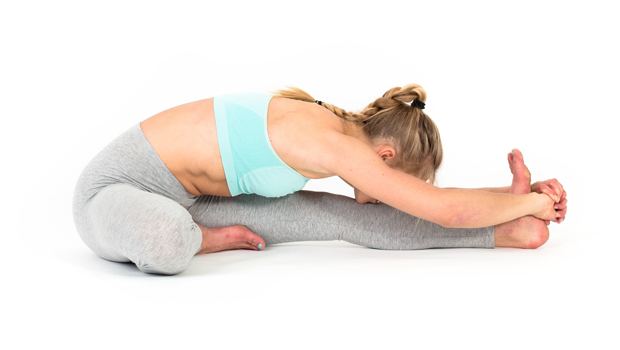
Photo by: Saara Oinonen
 
You can practice cultivating your attitude of gratitude with Amanda during two weekends in October, read more about the events here!
Open post
Mitä on Iyengarjooga?

Mitä on Iyengarjooga?

11 lokakuuta 2015 | Av

"Rakastan mennä syvälle kehooni." Mitä se oikein tarkoittaa? Me joogaopettajat saatamme usein käyttää termejä ja lauseita jotka kuulostavat hyvältä, mutta joilla ei oikeastaan ole mitään konkreettista merkitystä. Tarkoittaako syvälle meneminen jalkojen tuntemista? Vai hengityksen aistimista? Tai esoteerisen meditatiiviseen tilaan menemistä, jossa koko maailma ympäriltä katoaa?

Yiengarjooga hoitaa kehoa


Iyengarjoogassa työskennellään hyvin paljon käytännön tasolla, minkä kautta voi kasvattaa ymmärrystään ja kokemustaan siitä mitä kehon sisällä tapahtuu.

Mitä tapahtuu kun kurotat kantapäitä taakse? Miten voit estää polvia ja kyynärpäitä yliojentumasta? Millaisella käsien ja jalkojen liikkeellä ja asennon muutoksilla voit avata alaselkää? Iyengarjooga opettaa sinua työskentelemään asanassa (jooga-asennossa), niin että asana pääsee työskentelemään sinussa. Sitten tulet tietämään mitä syvä tarkoittaa.

Tule kanssani löytämään Iyengarjoogan hyödyt, riippumatta siitä mitä muuta joogan muotoa harjoitat.

Videosuositukset:

Videovinkit

Yogobe Video: u3k2 Yogobe Video: b2u9 Yogobe Video: x8d7
Open post
Yang ja voima harjoituksessa

Yang ja voima harjoituksessa

15 syyskuuta 2015 | Av
Yogobe

Sisäinen palo kasvaa, lämpö leviää alavatsasta lantioon, reisiin ja palleaan. Jos tunteelle pitäisi valita väri, olisi se oranssinpunainen. Tunne on voimakas, jopa vähän seksuaalinen. Ei romanttisessa mielessä, vaan enemmänkin primitiivisessä. Sisäinen kehoni on hereillä, veri virtaa voimakkaasti ja koko kroppani on lämmin. Selkä tuntuu vahvalta ja valtava liikkumisen tarve valtaa minut – minun on päästävä ilmaisemaan sisäistä virtaustani, kirjoittaa Cecilia Gustafsson.


Fyysinen voima on hauskaa – vahva keho antaa tunteen pärjäämisestä ja siitä että pystyy ilmaisemaan itseään. Että jaksaa ja saa asioita aikaan. Että saa maistaa sitä tulista energiaa joka tuo elinvoimaa ja lämpöä. Flirttiä maskuliinisen minän kanssa. Siinä on kyse oman tilan ottamisesta ja oman arvon tuntemisesta. (Sanotaan jopa, että testosteronitasot nousevat tyyppisissä power-asennoissa ja laskevat päinvastoin heikoissa.)

Lämpö ja tunteiden purkaminen
Oli miten oli, ei ole lainkaan epätavallista tuntea oloaan teräväksi, päättäväiseksi ja energiseksi treenin jälkeen. Treenaaminen poistaa jumeja, auttaa purkamaan ylimääräistä energiaa, ja toisaalta tuo virkeyttä. On vapauttavaa päästä eroon kiukusta ja ärsytyksestä terveellä tavalla – hyväksymällä tunteet itsessään ja käyttämällä niiden energiaa hyödyksi. Välillä provosoin joogaoppilaitani tahallani saadakseni heihin paloa. Käyn vähän tökkimässä, ärsyttämässä, niin että poskille nousee puna ja verenpaine nousee. Haluan ravistella heitä ja antaa mahdollisuuden sytyttää sisäinen palonsa.

Yin, yang ja energia
Sitä tietää milloin on aika. Nyt elämässäni on liikaa yiniä, painoa ja sisäänpäin kääntyneisyyttä, liian vähän väriä – jotain on tehtävä! On päästävä liikkumaan, liikuttamaan, sytyttämään paloa! Veri on saatava virtaamaan. Adrenaliini tekee verestä ohkaisempaa ja paremmin virtaavaa. Näin se pääsee paremmin ihoon ja lihaksiin ja nostaa samalla punan poskille. Suuttuminen on rajojamme suojaavaa, se on puhdasta energiaa joka näyttäytyy silloin, kun joku astuu rajojemme yli tai uhkaa henkilökohtaista integriteettiämme. Se on normaalia ja välitöntä. Suuttuminen on tärkeää, mutta siitä täytyy myös osata päästää irti. Jos suuttumista pitää liikaa sisällään voi se tehdä enemmän hallaa ja katkeroittaa mieltä, josta onkin paljon hankalampi päästä eroon. Pikainen kiivastuminen ja rajojen asettaminen ei ole vaarallista, näin kiukku pääsee ulos ja on nopeammin ohi. 

Yhteenvetona:
-    Käytä mahdollista patoutunutta vihaa energiana, älä järjellisesti. Toisin sanoin, älä ajattele, koita vain päästä eroon jännityksistä.
-    Kehon avulla olon muuttaminen tai sen vahvistaminen on helpointa. Käytä apuna hengitystä, liikettä ja äänenpäinoa, joko hiljaa mielessäsi tai ääneen.
-    Jotta saisit itsellesi voimakkaamman olon purista kädet nyrkkiin, hengitä voimakkaammin ja puhalla ilma suun kautta ulos, suorista selkäsi ja työnnä rintakehä ulos. Seiso ryhdikkäästi, tee itsesi isoksi. Tee powerliikkeitä!
-    Kunnioita yksityisyyttäsi, ja pidä huolta että kaikki muutkin kunnioittavat.
-    Fake it until you make it! Lainaa nuoren miehen itsevarmaa entusiasmia. 

Videosuosituksia:
Energiaa, liikettä ja voimaa - keskitason toiminnallinen flow
Sweat Party: Ode to Sweat. Explosive training!
​Sweat and samadhi: Develop heat. Build energy, strength and flexibility in your body.


Open post
Liikunta muuttaa DNA:ta

Liikunta muuttaa DNA:ta

04 syyskuuta 2015 | Av
Yogobe

Tutkimukset osoittavat, että solujemme perintöaines ei olekkaan niin muuttumatonta kuin olemme luulleet. Karolinska Institutenin tutkijat esittelevät uudessa tutkimuksessaan solun metabolismista havaintoja siitä, miten liikkuminen muutti DNA:ta sellaisilla henkilöillä, jotka muuten liikkuivat vähän.


Alkuperäinen geneettinen koodi pysyy muuttumattomana, mutta vaikutukset näkyvät lihassolujen DNA-molekyyleissä kemiallisella ja rakenteellisella tavalla. Tutkijoiden mukaan nämä epigeneettiset muutokset ovat tärkeä osa liikunnan fyysisiä hyötyjä.

– Lihaksemme ovat todellakin muovautuvia. Usein sanotaan, että olet mitä syöt, mutta kun on kyse lihaksista, voidaan sanoa että olet mitä teet. Jollet käytä jotakin lihasta menetät sen, ja tutkimuksemme löydökset selittävät miten tämä tapahtuu, kertoo Juleen Zierath, kliinisen integratiivisen fysiologian professori.

Tutkimuksessa havaittiin, että luustolihaksen DNA:ssa näkyi muutoksia henkilöillä, jotka olivat juuri liikkuneet hetken intensiivisesti. Näiden henkilöiden DNA:n sekvensseissä oli liikunnan jälkeen vähemmän kiinnittyneinä metyyliryhmiä kuin ennen sen aloittamista. Muutoksia oli eniten alueilla, jotka toimivat kiinnittymiskohtana erilaisille proteiineille, transkriptiofaktoreille, joiden tehtävänä on aktivoida ja inaktivoida geenejä. Tällä mekanismilla on tiedetysti suuri vaikutus lihasten sopeutumisessa fyysiseen rasitukseen.​

Zierath vertaa transkriptiofaktoreita avaimiin, jotka avaavat geenejämme. Kun metyyliryhmä on kiinni DNA-molekyylissä, ei transkriptiofaktori pääse kiinnittymään DNA:han, eikä lihassolujen geenejä näin päästä aktivoimaan. Kun taas metyyliryhmä irtoaa, mahtuu ”avain lukkoon” ja lihas pääsee työskentelemään täydella kapasiteetillaan.

– Tiedämme jo, että liikunta saa lihaksissa aikaan monenlaisia muutoksia jotka sisältävät myös sokerin ja rasvan metabolismin. Löydöksemme metyyliryhmien irtoamisesta tulee kuitenkin ensin, sanoo Zierath.

Toinen mielenkiintoinen löydös tutkimuksessa on, että kofeiiniilla näyttäisi olevan samankaltaisia  vaikutuksia lihaksiin kuin liikunnalla. On todennäköistä, että muutokset johtuvat kofeiinin kalsiumia vapauttavasta vaikutuksesta, joka saa aikaan samanlaisen lihaksen supistumisen kuin liikunta. Tutkijat eivät kuitenkaan suosittele liikunnan vaihtamista kahvinjuontiin sen lukuisten muiden terveysvaikutusten vuoksi.

– Treenaaminen on kuin lääke. Näyttäisi siltä, että sen avulla voimme muuttaa ihmisen epigenomia paremman terveyden tavoittamiseksi, toteaa Zierath lopuksi.

Lähde: Healthwatch.se

Videosuosituksia:
Jalkojen herätys ja voimistus - toiminnallinen flow
Hathajooga. Tulielementin kanssa työskentely auttaa sinua voimistumaan niin fyysisesti kuin henkisesti.
​Rentoudu ja avaa kehoasi - rento ja helppo flow

Open post
How to balance your Pitta during summer

How to balance your Pitta during summer

20 elokuuta 2015 | Av

Let’s face it: summer in the city can be intense. The heat makes us irritable, impatient, and easily frustrated. There are many common ways to cool down such as blasting the aircon but that can be a great waste of energy, or weighing in at your nearest self-serve frozen yogurt shop but that can add up on the body and in the bank. The ancient seers of India had their own internal cooling system that comes from the traditional healing science known as Ayurveda.


About Ayurveda

Ayurveda comes from two words: “Ayu” which means life and “veda” which means science so Ayurveda quite literally is the science of life. It is based on the premise that we each have a combination of elements that make us up, known as doshas. The three doshas are: Earth and water, or kapha, fire and water, or pitta, and air and space, or vata. From an ayurvedic perspective, we all have a certain combination of each of these elements. Too much of any of these elements takes us out of balance. It makes a certain amount of logic when you think about it: excess earth creates lethargy, depression, and additional mucous in the body. Too much air and space and we are easily distracted, flighty, and ungrounded. Too much fire, we are impatient, judgmental, and think that we are always right. Sound familiar? Luckily, there are many ways to keep these imbalances in check. Let’s take a look at some common pitta imbalances so you can check in yourself.

Fire manifests in the body as acid water, located in the stomach and in the digestive organs. Since pitta is responsible for metabolism, too much pitta can create acid indigestion, reflux, and diarrhea. It can also cause high blood pressure, acne and inflammation of joints. And just like a burning wire, excess pitta can shorten our fuse, leading to aggression in both our personal and professional relationships, as well as in the community at large. It’s no surprise that crime rate and violence increase during the summer, particularly as a result of heat waves.

Shift your yoga practice

Despite this, many yoga classes continue to offer a practice that is heat building, sweat-inducing and pitta-aggravating in the height of summer because that is what we are used to. As a culture, we tend to take the “no pain, no gain” approach onto our yoga mats. If savasana isn’t experienced in a pool of sweat it somehow means we didn’t do enough. Don’t get me wrong: I enjoy a good sweat like the rest of them but that does not mean I need to go to extremes when the temperature takes me there already. The experience of yoga is not calibrated by the amount of perspiration you emit but by the depth of connection you have to the moment. That is what we can take back with us to our friends, our spouses, our children, and our co-workers. If you leave class feeling more imbalanced than you were when you arrived, something’s not working. Here’s a few tips on how to shift your yoga practice to create more equanimity both on the mat and off. If you’re new to yoga, fear not! These are tips that are available to anyone at any time.

  1. Avoid practicing surya namaskar, the sun salutation, in excess. Rather practice moon salutes (I think we should have an asterisk here or link to a moon salute sequence).
  1. Add a restorative pose to your practice or to your day. Legs up the wall is cooling, calming for the nervous system, lowers the heart rate, and slows down the breath. All of these things help counter a pitta imbalance.

  2. Practice sitali breath: curl the end of your tongue up to the roof of your mouth. If you can’t do that (you’re not flawed: some people anatomically are unable to!) then simply open your mouth as if you are giving a fake smile. Breath in through the tongue or the teeth. Pause at the top of the inhalation and then exhale our through the nostrils. Try this about 6 times and notice the effects. It helps cure heartburn, acid indigestion, and creates an internal cooling system. Although it might look funny, this comes in very handy while you’re waiting on the subway platform in intense heat. Give it a try!

  3. Avoid spicy or acidic foods like peppers and tomatoes and eat cooling ones such as coconut, cucumber, and melon.

  4. Last but not least: avoid alcoholic beverages if your pitta is up. It takes all of those imbalances into more imbalance! Although it might feel cooling at the time, it will only fan the fire in the end.

Stay cool and Namaste. 

Videos: 

Open post
Lantio – tie onneen

Lantio – tie onneen

19 heinäkuuta 2015 | Av
Yogobe

Onko sinulle joskus joogatunnin aikana noussut pintaan tunteita joita et osannut lainkaan odottaa? Tuntenut kyynelten vain valuvan Savasanassa? Tullut kotiin joogasta, ja ihmetellyt mihin se hetki sitten sinut vallannut onnellisen harmoninen olo katosi? Ei ole lainkaan epätavallista, että joogaharjoituksen aikana pintaan nousee erilaisia tunteita, tai että se herättää meissä jotakin uutta. Erilaisten lukkojen avaaminen ja tunteiden käsitteleminen on osa joogaa. Se ei aina ole helppoa, mutta joka kerta täysin sen arvoista. Avaamalla sydämesi tulet iloisemmaksi, harmonisemmaksi ja aivan varmasti onnellisemmaksi.


Yksi yleisimmästä toiveista liittyen joogatunnin sisältöön on juuri lantion alueen ja pakaroiden avaaminen. Useimmat joko rakastavat tai vihaavat niitä. Me rakastamme niitä, koska ne saavat olon vapautuneemmaksi, iloisemmaksi ja ennen kaikkea kevyemmäksi, mutta vihaamme niitä, koska ne ovat usein työläitä, ja vaativat fyysisesti sekä henkisesti paljon.

Joogassa lantion seutu yhdistetään negatiivisiin tunteisiin kuten pelkoon, suruun ja syyllisyyteen. Avaamalla lantion aluetta ja vahvistamalla energiavirtausta, on mahdollista avata ja päästää irti tämän tyyppisistä tunteista. Mitä enemmän avaudumme ja päästämme irti vanhoista taakoista, sitä paremmin pystymme elämään täydellä ja avoimella sydämellä.

Suosittelemme seuraavia joogavideoita lantion ja pakaroiden avaamiseen:

Tuntuuko tunteiden pintaan nousu rankalta? Yritä nähdä kaikki tunteet, hyvät ja huonot, mahdollisuutena päästää irti ja siirtyä eteenpäin. Vahvista elämänenergian virtausta lävitsesi. Ja sinä, juuri sinä. Ota rauhallisesti, kaikki on hyvin.

Ole lempeä itsellesi.

Open post
An Interview with Bette Calman

An Interview with Bette Calman

04 heinäkuuta 2015 | Av
Instructor

Mitä neuvoja antaisit nykyajan ihmisille pitkään ja terveeseen elämään?
– En monia. Nuoret ihmiset näyttävät jo tietävän kaiken, mutta tuntuu kuin he eivät tekisi mitään sen eteen. Voit viedä hevosen veden ääreen, mutta et voi pakottaa sitä juomaan, toteaa Bette Calman tässä ihanassa haastattelussa (englanniksi).


Bette Calman is one of the pioneers of Australian Yoga, jumping to notoriety in the 1950s. Over the years she has had her own TV show, been featured in countless magazines and newspapers, written three books discussing the benefits of yoga and taught the practice for over 40 years. Bette has remained a fixture in the media spotlight over the years and has now become an Internet sensation for remarkable aging and longevity - still practicing yoga and teaching as a great-grandma in her 80s. Because of our focus at Home Care Assistance on health, wellness and quality of life, Bette has served as an inspiration to all of us - an example of aging gracefully. As part of our mission to change the way the world ages, we interviewed Bette to better understand her secret to a healthy mind, body and spirit. Here are her answers:

Q: How were you first drawn to the practice of yoga?

A: It was a lot of things - I didn't know what it was. I first wanted to do it when I was 15 - Sir Paul Dukes from England came to Sydney and I wanted to try it, but my dad said I had enough on my plate with school, swimming, diving, piano and dancing. Dad said if it is right, it will come back to you. When I was 26 I discovered Michael Volin from Russia, who had a small class in Sydney.

Q: What about yoga has kept you practicing all this time?

A: I always felt good after class - never sick, no headaches, menstrual problems or aches and pains - I thought, "This is perfect for me." My husband and I were in the hotel business and I needed yoga to keep me healthy, strong and able to work long hours (7 a.m.-2 a.m. with shift work) in a rather unhealthy environment. It helped with my energy and soothed my tired legs from standing all day.

Q: Did you think you would still be teaching and practicing yoga in your 80s?

A: No, I never thought I would teach, but I thought I would practice - it has helped me physically, emotionally, mentally and spiritually. The things that worry a lot of people don't worry me at all, and I am sure it's because of my yoga practice.

Q: How do you feel about "going viral" as a model for aging well (being an Internet sensation)?

A: I had a TV show for 24 years, a weekly newspaper article for 14 years and a monthly magazine for several years, so I have always been involved in the media industry; however, the Internet was out of my control - it wasn't my choice, but I felt it may help bring yoga to the forefront of people's minds. If it inspired one person to go to a class, then I considered that I had done the right thing in doing the interviews and taking pictures.

Q: Do you teach your grandchildren yoga?

fdf8bbcbc67a138a876ac5bd650306bc_resizedA: I teach my great-grandson, Andreas, yoga - he loves it. He has been going to class each week since he was 18 months. My daughter ran a yoga school in Melbourne for 18 years and has been teaching for 24 years. My grandson does yoga to help his flexibility for Australian Rules football.

Q: What do you think is the secret to aging well? Do you think yoga has contributed to your aging so well?

A: The secret to aging is to keep on keeping on. When we stop, that is the issue - just keep on! Yes, yoga has contributed because it helps you on all levels - it's natural for yogis to sit on the floor, whereas older people who don't do yoga can't do that as easily. I feel it's also about moving the body, stretching the body and mind, being open on all levels rather than closing down to only doing what is familiar. I am always open to do something new, go somewhere new, or meet new people.

Q: What advice can you offer baby boomers and younger adults alike about how to age well and live a long and healthy life?

A: Not much because they seem to know it all, but they don't seem to apply it. You can lead a horse to water but you can force it to drink.

Q: Do you think you're helping in changing society's view on aging to a more positive perspective? Have you seen any changes in the way society views aging over the past decades?

A: Yeah, in a roundabout sort of way - my grandson admits it's terrible that I am more flexible than him. I am not focused on aging so I do not observe it, but living in a retirement village here in Melbourne, I notice too many pills, too many tests, too many things going wrong or looking for the next thing to go wrong. I don't study aging - I live for today.

Q: If you could only share one piece of advice, what would it be?

A: Start the day with water and end it with water.

Q: Our mission is to change the way the world ages. How do you feel you are achieving this mission?

A: We need to look after our own - live the day good, live a happy day. I never thought about aging until the last few months.

Q: If 2012 Bette could write a letter to 45-year-old Bette, what would she say?

A: Keep on, you will get there. You are on the right path - do not change. Do more for yourself instead of relying on others.

Q: Do you have a favorite saying? What is it?

A: Keep on keeping on.

Q: What is your favorite "guilty pleasure"?

A: I don't have a guilty pleasure - I eat what I enjoy and if I overindulge I will go quiet the next day. But I do love the movies, chai and naughty jokes.

Q: What is your idea of perfect happiness?

A: Enjoying what I do, when I do it.

Q: While your lifestyle choices mean you'll likely spend the rest of your years in phenomenal health, if you were to need assistance with daily activities in the future, what would you do?

A: Have to accept it - enjoy, and life goes on. I am nearly ready to have a guide dog.

Q: Our proprietary Balanced Care Method, based on studies of the long-lived elders in Okinawa, focuses on mind, body and spirit and is the foundation for the care we provide. Do you think this is a strong foundation? What do you think should be the major focus when caring for seniors?

A: This is my foundation too. This is the only foundation, there is no other. Treat them as if they are healthy.

We are honored that our inspiration, Bette Calman, took the time to share her thoughts on yoga, health and quality of life so that we can now pass them along to you. As Bette mentioned, the real secret to aging well is taking what you learn and applying it in some way, shape or form. Hopefully you can take away at least one piece of wisdom from our Q&A with Bette and start changing your life for the better today!

Source: HuffingtonPost

Open post
Hengitysharjoituksia henkiseen tasapainoon

Hengitysharjoituksia henkiseen tasapainoon

02 heinäkuuta 2015 | Av
Yogobe

Yksi osa sisäisen voiman kanssa yhteyteen tulemisessa on hengityksemme. Hengityksellä ja henkisellä tilallamme on vaikutusta ympäristöömme. Jo pelkästään tiedostamalla arjessa hengityksensä, voi saada aikaan suuria muutoksia fyysiseen, psyykkiseen sekä tunnepohjaiseen hyvinvointiin.


Suosittelemme tässä kirjoituksessa tunteja, joiden avulla voit vahvistaa asennettasi ja mieltäsi. Kokeile harjoituksia sitten kun sinulla on hetki aikaa joogalle kanssamme, ja koe itse mikä vaikutus niillä on mieleesi! Voit myös pohtia, miten voisit ottaa nämä harjoitukset mukaan arkeesi. Istuta siemen itseesi!

Alta löydät joogavideoita joita voit kokeilla rauhan ja rentoutumisen saavuttamiseksi.​
Savitri rhythmic breathe - hengitysharjoitus - Satu Tuomela
Nadi Shodana - hengitysharjoitus joka puhdistaa nadeja ja rauhoittaa mieltäsi - Satu Tuomela
Haluatko istua alas ja keskittyä kehoosi? - Satu Tuomela
Rentoutus. Tietoiseen läsnäoloon pohjautuva rentoutusharjoitus - Kaisa Kärkkäinen

Vaikket olisikaan jäsen, voit silti nähdä minuutin mittaisen esikatselupätkän kaikista videoistamme. Jos sinulla ei vielä ole käyttäjätiliä, voit tutustua palveluumme kolmen päivän ilmaisella kokeilujaksolla, ilman sitoutumista.

Namasté!

Yogobe

Open post

Search

Categories