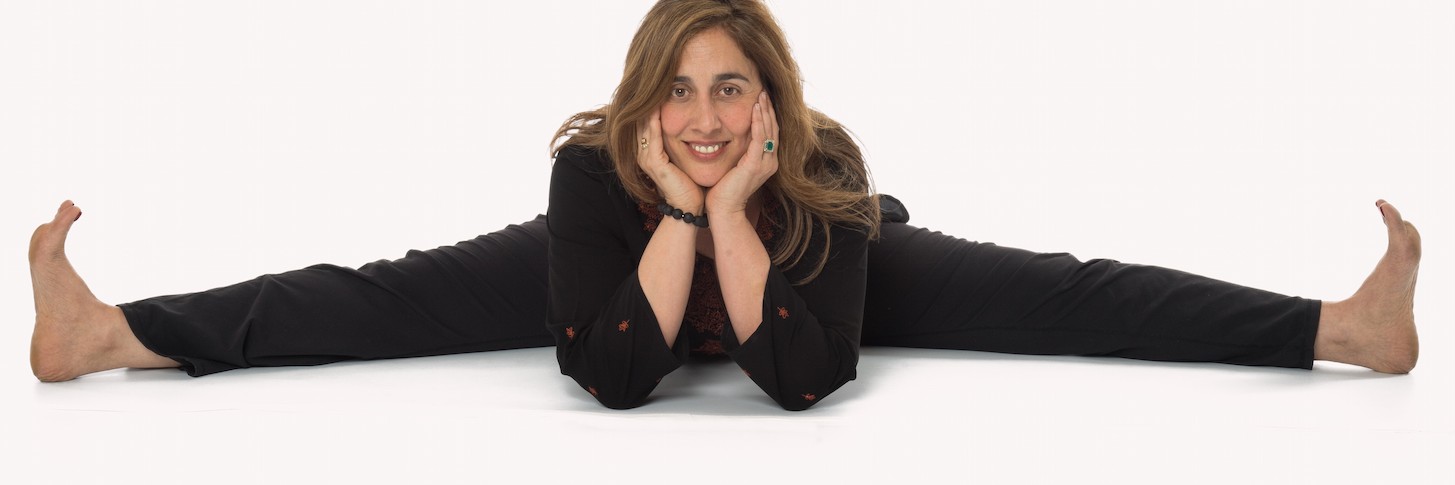
ISHTA Yoga Nidra
We have several video sequences on Yogobe of ISHTA Yoga Nidra with Mona Anand. Here we give you an insight of how Mona and ISHTA focuses on Yoga Nidra.
Mona Anand's ISHTA Yoga Nidra
Yoga Nidra is very flexible, both when it comes to length and purpose of practice. It can be about practicing for only a few minutes or an hour, depending on what you want to achieve as well as how much time you have. Most of the sequences of Yoga Nidra are between 15-40 minutes.
In ISHTA Yoga the practice is adjusted to, among other things, the different imbalances such as sleep deprivation, difficulties falling asleep, depression and anxiety. You also practice Yoga Nidra for different imbalances in our chakras and doshas (the unique mental and physical constitution in Ayurveda).
The nine steps of Yoga Nidra
Mona Anand and Alan Finger have together developed the nine steps to practice Yoga Nidra. These steps contains different methods and to the right you can read more about the nine steps.
Yoga and meditation videos online
Below you’ll find recommended videos on ISHTA Yoga Nidra. You can also click on VIDEOS here on Yogobe to browse through all videos and audio clips linked to Yoga Nidra.
The nine steps
- Ekagrata – Plants a visual image of a flame in our minds to establish a focus point and strengthen our muscles related to our sight.
- Asana with nyasa – Preparatory asanas are performed to releive tensions from breathing, body and our mind to build our focus.
- Pratyhara – Moves our mind from sound to sound, both outer and inner sounds, to draw the attention of our senses inward.
- Movement of consciousness – Move our focus through the body to achieve a deep state of relaxation.
- Nirodha – Counting backwards when breathing, from 11 to 1 or 54 to 1, to reprogram our mind and be more present.
- Pairing of opposites– Creates contrary emotional states to release emotional tensions. Tensions created from our desire to experience pleasurable feelings and our reluctance to experience painful feelings.
- Quick visualisation – Release memories from the subconscious and unconscious through suggestive depiction that activates early experiences.
- Long visualisering – Encourages a state where we are more attentive and focused, which will free us from getting caught up in limited time and form.
- Sankalpa – To find our true self in a place of peace.


”The answers you seek never come when the mind is busy, they come when the mind is still.”


