Do you also want access to our video library?

  • 2500 videos
  • No binding period
  • Free trial

Welcome to our blog

Yoga, training and health inspiration for you

Live with, after and next to cancer – all of you

Live with, after and next to cancer – all of you

03 May 2020 | Av

Cancer affects our physical body, but also our mind and mental wellbeing; our entire existence. Treatment to eliminate cancer cells is of utmost importance, but we need to remember that it takes more to regain balance after cancer knocked us. Discover how the five koshas can help us see we're not just physical beings.

This is the sixth blog post in a series on living with cancer that I'll be writing coming months. The introduction and links to the first blog posts, can be found in the first one; To live with, after and next to cancer.

Used yoga to keep performing

When I started doing yoga in my early twenties I came from a world of hard training and competitive running. I took my physical abilities and my performance mindset to the yoga mat. The first year it was just a show, all about looking good doing the postures. From years of training and exercise I was well aware and in contact with my physical body. But I had less knowledge of the rest of me, and I used the yoga poses to keep pushing myself further into performance anxiety and stress, and away from mental wellbeing. Luckily, I had a good teacher who guided me to connect with more aspects of myself and the integrative touch of yoga. That changed everything for me and my overall sense of wellness.

At first glance, cancer is a disease of the physical body. Cells growing out of control causing mayhem in otherwise healthy tissues. It is also medical care for mainly this issue that the health care provides. Killing, eliminating, decreasing the tumorous cells in the body.

The truth is that cancer is a disease that affects not only our physical body, but also our mind and mental wellbeing; our emotions; our beliefs; our entire existence. When faced with the trauma of a life-threatening disease, no matter the outcome, everything we thought we knew is put into question. Whether you are the one living with cancer or the one living next to it, cancer can easily make one feel broken as a person and within one’s life. Sometimes it is physical. Sometimes mentally. Other times emotional, or existential or spiritual.

Because we are not just physical beings.

What is often lost after being diagnosed with cancer, is the care and help for all issues concerning the aspects that is not the physical body. And if you are a loved one, you're often completely on your own. While treatment to eliminate cancer cells is of utmost importance, we still need to remember that it takes more to regain balance after cancer knocked us off our feet.

Yoga is all about integration and bringing together. I often practice and teach from the yogic Kosha model. It gives me a better way to see how everything is connected and that we can’t ignore parts of ourselves if we want to experience wellbeing. It offers help to see, appreciate, and pay attention to the whole person.

The five koshas


Every human being has five Koshas, meaning ‘body’ or ‘sheet’. It is like five layers, kind of like a Russian doll, going from the gross outer physical body to the subtler inner bodies. But, different to the Russian dolls, the bodies/sheets are not separate. They are intertwined and always interacting to make us stay in balance.

1. The physical body: The first body is everything you can touch, see, and feel. It’s skin, muscles, bones, and organs. It’s the tissues that cancer cells destroy. This body is often what us humans are most familiar with because it is visible and touchable. And it is what has the most focus in health care.

2. The energy body: As we reach the inner Russian dolls, the composure of the bodies gets more subtle and less tangible. The energy body includes breath, prana (life force), energy, and the channels which energy runs through. I usually describe it as what gives life to your physical body. You can have a body, but without breath, without energy, there is no life – it is just a pile of flesh and bones.

3. The mental/emotional body: The mental body contains the mind, our senses, emotions, and basic instincts and urges such as hunger, thirst, and sex. It also includes the “older mind”, meaning the sympathetic nervous system with the stress system and fight/flight/freeze response.

I think of this body as what takes in the world. You have a body, you breathe, you have energy and you are alive. But without this Mental body you are in a coma, not aware, not taking in your surroundings, and not communicating with the outer world. When we are exposed by too much and too intense stress, may it be physical or mental, and don’t make time for quiet and recovery, this kosha goes off balance and it often impacts the other koshas strongly.

4. The wisdom body: The wisdom body is the higher mind where your intellect, understanding, reasoning, and intuition resides. It contains the parasympathetic nervous system’s relaxation response that is able to influence and reduce the fight/flight response. That makes us see a bigger picture, analyze a situation and choose a proper response instead of just living by hasty reactions to everything that comes our way. The wisdom helps us see that a thought is just a thought and not necessarily the truth.

5. The bliss body: Here resides the sense of being whole. The connection to your own center, but also the connection to others and the universe. It’s a sense of flow and ease. Connecting to the Bliss body gives you spiritual and existential awareness and meaning. The sense of wholeness and connection is something that can be experienced even when diagnosed with a life-threatening disease; knowing that you are facing death; or loving someone in those situations.
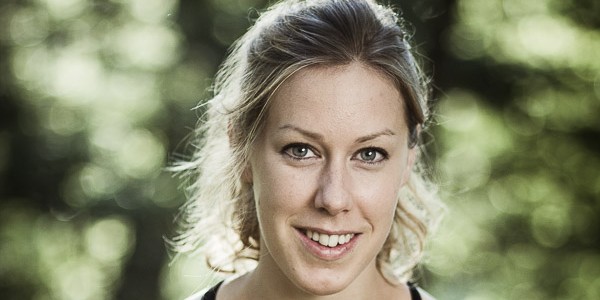
Foto: Mikael Björk

Appreciate all aspects of you

Acknowledging all of these aspects of ourselves, and understanding the interlacing effect they have on each other, help us to work to integrate instead of separate. This is especially important when facing challenging situations.

When we do practices to help release tension in all bodies, we are more likely to experience the joy, ease, and connection to our own center that resides in the Bliss body. We are more likely to feel whole as a person no matter the circumstances.

We can do practices that incorporates all Koshas. We can also focus on one Kosha to access another that might be hard to connect with. For example, if you struggle with a lot of fear and anxiety, that resides in the Mental body, the calm and sensible reasoning that is the Wisdom body might be blocked, as the survival instinct in the stress response is stronger. Focusing on slow, even breaths (Energy body) and muscle relaxation (Physical body) can lower the stress response and reduce the fear and anxiety in the Mental body. Then exercises that strengthen the Wisdom body can have more effect.

Examples of what to focus on for each kosha:

  • Physical body – connect through physical poses; focus on how you place your body for comfort and strength; body scans; muscle relaxation techniques; and so on.
  • Energy Body – do breathing exercises and learn to notice your energy levels – feeling energized, sleepy, dull, restless, or calm are all attributes of the vital energy body – and choose practices that brings your energy in the best direction.
  • Mental body – work with concentration- and focus exercises; mindfulness techniques; and other types of meditations that help direct the power of the mind and thought.
  • Wisdom body – try mantras, visualizations, and guided meditations that help you experience space within. Reflecting upon your own experiences, sharing your story, connection with other with similar experiences is a wonderful way to release tension in the Wisdom body.

Videos integrating all koshas 

Try these practices lead by experienced yoga teacher Mona Anand. She has created a physical flow with focus on integrating all koshas, and a restorative practice to create stillness in the mind. Follow up with a Yoga Nidra, a guided meditation to release tension in all bodies and experience a greater sense of ease.

You can also go back to older posts in this series and look for videos and chose from them if you wish to focus on any special Kosha, for example breathing techniques or meditations.

Yogobe Video: tw35 Yogobe Video: g7x9 Yogobe Video: 8u4g Yogobe Video: x2b5

To watch a full video you need to be logged in as a paying Yogobe member. Haven't tried Yogobe before? Try it for free during 14 days – click here to get started!

War on cancer

The physical challenge is huge for a cancer patient. The mental and emotional challenge is at least as great. War On Cancer is a social media-app, a social network and community, where everyone affected by cancer have the opportunity to share their cancer experience and get in contact with others who actually understand. War On Cancer's mission is to put focus on, and radically improve, the mental health of everyone affected by cancer. The first step is the digital social network that creates belonging and community in a time of isolation and uncertainty. You are reminded that you are never alone. We'll fight cancer together.

Learn more about War On Cancer and download their app at waroncancer.com

Share your story, it will make a difference.

Read more

Open post
To live with cancer – little + often = a lot

To live with cancer – little + often = a lot

05 April 2020 | Av

The life challenges that cancer brings sometimes seriously impairs your energy levels and ability to move around. With new circumstances you have to find new ways to increase wellbeing even though your physical ability has decreased. Is it possible to do yoga if it is not physically possible?

This is the fifth blog post in a series on living with cancer that I'll be writing the coming months. The introduction and links to the first blog posts, can be found in the first one; To live with, after and next to cancer.

Focus on wellbeing

Maybe you are fresh out of surgery. Or you are weakened from both the illness and the treatments and have become bedridden or in need of a wheelchair. Perhaps cancer and/or surgeries have caused you to lose bodily functions or body parts.

Yoga is by many viewed as a physical practice. When someone says “I do yoga” or “I’m going to yoga today” they usually mean doing poses in sequences on a yoga mat. So, what if that is not an option? Is yoga not for you if you can’t go to yoga class?

My boyfriend had a very rare type of cancer. The original tumor was on the urine bladder but there were several metastases in his spine already when he was diagnosed. During his illness he had three major surgeries – two to his back to stabilize the spine and reduce the metastases, and one in the abdominal to remove the original tumor. All the surgeries temporarily restricted him, forcing him to stay still and reducing his movement options. Eventually though, the tumor in the spine grew too big and he became paralyzed from the chest down. At the same time both the advancing cancer and the chemo made him weak and tired.

My boyfriend’s story is of course unique and only his, but it is not unusual. For so many diagnosed with cancer the impact on the body is very noticeable, leaving us to adjust to new circumstances and conditions all the time – temporarily or permanently.

Yoga didn’t become a part of my boyfriend’s life until he was paralyzed. Being a dedicated runner, he liked to run long and far. He never engaged in “yoga on a mat” before being paralyzed and wasn’t able to after. But he did find yoga helpful when he adjusted to his new circumstances living with cancer.

A little + often = a lot
Yoga offers a wonderful way to reconnect with yourself when you are going through hardship. Small movements and short exercises will improve body awareness; put focus on your vital breath; help you become aware of thoughts and emotions; and find relaxation – all of which increase both physical and mental wellbeing.

Though, it is a daily practice. Wellbeing is not a fixed state that we can accomplish, like a goal that we can “check off” and we’re done. It is a constant, ongoing way of showing up for ourselves – again and again.

To not be overwhelmed by “daily practice”, have this in mind: A little + often = a lot. We sometimes think that we have to do much and put in a lot of effort for something to have an effect. We think that if we can’t yoga for 60 minutes it’s not worth it. Forget about that.

Know that those two minutes you close your eyes and listen to your breath makes a difference.

Know that that gentle twist lying in bed makes a difference.

Know that sitting up and circle your arms a few times makes a difference.

Know that gently rubbing and massaging your feet makes a difference.

Know that taking a pause and paying attention to the constant stream of thoughts makes a difference.

Know that those seconds and minutes together equals a lot.

When cancer restricts and limits, we must try to change focus from what we no longer can do, to what we actually can do. Even if you struggle with your physical abilities there are still many ways for you to practice yoga and self-care. Doing yoga doesn’t require a yoga mat or being able to move around on it. Nor does it have to be a certain amount of time or specific postures. You can still do yoga, lying in a hospital bed recovering after surgery.

Take “A little + often = a lot” to your heart. Let those words guide you as you do what you can, with the energy level and movement ability you have right now.

Yoga, breathing and relaxation exercises online

Below you'll find some recommended videos to practice at home. Most of the videos are 5-10 minutes long. Some exercises and techniques can be done in lying in bed, even if they are shown standing or sitting in the videos.

Breath focus
After surgeries breath exercises are important. The anesthesia hampers the breath, and chest and abdominal surgery can make breathing painful. Always follow the guidelines from doctors and physical therapists, but you can keep strengthening your breathing with following exercises:

Yogobe Video: s65z Yogobe Video: 32uz

Sometimes there are no room, possibility, or energy for moving your body. Try this mini yoga using your fingers and hands. The Swedish and English version are slightly different, but both exercises help you land in your body and increase concentration and moment to moment awareness:

Yogobe Video: 37wr Yogobe Video: x53f

Relax and reconnect
Don’t be fooled that these videos are called Kids yoga. They are great – both for kids struggling with cancer, and for adults. Take part of Angelicas 5 super tricks for relaxation – short, simple, accessible to do anywhere!

Yogobe Video: kt93

Use these yoga stories to say Hi! to your body and connect to each body part.

Yogobe Video: 96re Yogobe Video: 93bz

This is a wonderful way to connect with your feet and the ground. Neuropathy is a common side effect and this gentle way of focusing on your feet can be helpful:

Yogobe Video: u45t

Gentle movements
These easy movements can be done anywhere. Stay in bed, get on the floor, or find a chair, and move your body for a while.

Yogobe Video: t68f Yogobe Video: p2d5 Yogobe Video: g23z

To watch a full video you need to be logged in as a paying Yogobe member. Haven't tried Yogobe before? Try it for free during 14 days – click here to get started!

War on cancer
The physical challenge is huge for a cancer patient. The mental and emotional challenge is at least as great. War On Cancer is a social media-app, a social network and community, where everyone affected by cancer have the opportunity to share their cancer experience and get in contact with others who actually understand. War On Cancer's mission is to put focus on, and radically improve, the mental health of everyone affected by cancer. The first step is the digital social network that creates belonging and community in a time of isolation and uncertainty. You are reminded that you are never alone. We'll fight cancer together.

Learn more about War On Cancer and download their app at waroncancer.com

Share your story, it will make a difference.

Read more

Open post
What is my path cultivating?

What is my path cultivating?

11 March 2020 | Av

I want you to be aware of what it is you really want to cultivate through your practice. Are you on the right path? Be curious and ask questions! For example if it is ok to ask yourself if the teacher in front of you is a person who inspires you both on and off the mat. Does their philosophy match with their everyday actions? When we take our first step on a spiritual path it is important to ask these questions to know what the path is really cultivating. 

Mismatches

The definition of Spiritual bypassing is to use spiritual terms to avoid the ‘mess’ of everyday life. Common examples are exaggerated detachment, emotional numbing, anger phobia and overemphasis on the positive. (Very prevalent in the spiritual social media world). When I lived in Thailand at a Tantra university I was guilty of Spiritual bypassing. I focused a lot on building energy into my heart chakra for two years and then believed myself to be so much in ‘anahata’ (the heart chakra) that I was far too loving to get angry.

In reality, I was scared of the emotion of anger and was using a spiritual belief to avoid dealing with emotions from the past that I had never integrated. If you keep shoving anything down in the dark for long enough its roar becomes louder, which is what eventually happened.

One of my teachers, Sarah Powers, talks about, not just waking up (reaching higher states of consciousness), but also growing up, (integrating and holding our emotions) and growing out (meeting ourselves with compassion so we can then share it with others).

Here are some examples of what I try to cultivate in my practice:

  • Non judgmental loving awareness
    The moment I sit or stand on my mat I drop into moment to moment, non-judgmental, loving awareness. I check in with my body, with my emotions and then my mind. I try to see what is going on inside, (interoception) and by doing this frequently, in a loving way, it helps to regulate my emotions better.

    In our daily lives when an emotion comes up it is easy to be consumed by it and act from that emotional place. The more we practice mindfulness the more we can start to see what is going on in our inner landscape and choose how we respond to life.

    A choice is a spontaneous response, a reaction is usually a subconscious decision taken from outside our conscious control. (Think someone saying angry words that they regret after). Therefore, mindfulness practice is giving us more choices to respond to the ups and downs of life in a skilful way. It is teaching us to un-blend from the emotion, not to sit on it but to sit with the emotion in a loving way.
  • Focus, Calm and Centring
    Have there ever been so many distractions over the course of humanity as now? I think not! Whether it is the TV, e-mails, Facebook or Instagram our attention spans are reportedly getting shorter and shorter.

    After the initial mindfulness of body, heart and mind I check in with the breath. At first, to notice the breath, is it soft or heavy? Loud or quiet? More in the left nostril or right nostril? More in the belly or chest? Everytime the mind wanders I bring it back to feeling the breath, without controlling the breath. This is starting to train the brain to focus on what we want to let go of. To attend to what we intend. This practice is literally building up the decision making part of the brain to help us not get so caught up in content but to choose which content is beneficial.

    Through practice it is easier to be present with our loved ones when we are at home. Instead of the planning mind sneaking in and getting caught up in thoughts of work we can let these thoughts go and give our entire attention to our loved ones. A rare and valuable gift!

    After this breath focus, I drop the awareness to the lower belly, and start to breath diaphragmatically, with an ujjayi breath, to a ratio of 5 in 5 out. By breathing diaphragmatically the abdominal organs and the vagus nerve (a nerve that runs through all the organs) get massaged and therefore the body moves into the ‘rest and digest’ branch of the nervous system and out the ‘fight of flight’ branch. In the rest and digest branch, the heart rate lower, blood pressure lowers, the immune system is boosted and digestion can occur.

    The breathing rhythm 5 in 5 out is also an optimum rhythm to relax the body and give the best fuel to the brain. From a more energetic point of view by dropping the awareness to the lower belly, we drop into the ‘hara’ - a place of ‘being’ not doing, a place where our intuition and natural intelligence can arise.
  • Playfulness and Curiosity
    Look at any new born of any species and they come into the world with so much playfulness and curiosity, which as adults we sometimes forget and become far too serious. One fascinating study on bears showed that the bears who played the most lived the longest, which is a good enough reason for me.

    However, a posture can never be truly known. Each day is different, each moment and even each breath! In each posture we can cultivate a curiosity for what is alive right now. Physically am I stiffer on one side or the other in a posture? Does my mind wander in some postures more than others? What emotions or thoughts come up in each posture? Each posture is a wonderful frame for you to dive in and investigate what is happening here and now.

    These are some examples of tools I use to cultivate certain qualities in my life, as first you make habits then habits make you.

    To play is such a privilege as it means we are feeling safe, so if we feel safe enough in our practice how can we bring more curiosity and play into each moment? The ego likes to put things in a box, to think it knows something, so that it can put its attention elsewhere. An example of this would be childs pose, the mind thinks it knows this posture, so it wonders off to plan tomorrow.

    Here are some questions I encourage you to have in mind the next time you go to class or step on your mat; What do I want to cultivate more of in my life? Is this practice helping me to get there? How can I use this very moment to begin?

Video recommendations

Yogobe Video: tw35 Yogobe Video: g42f Yogobe Video: 84es Yogobe Video: x9r7

To see a whole video you need to be logged in as a paying Yogobe member. Haven't tried Yogobe before? Try it out for 14 days for free – register here!

Read more about yoga and health

Open post
To live next to cancer – don't forget yourself

To live next to cancer – don't forget yourself

08 March 2020 | Av

Spouses and partners to cancer patients have a higher risk of illness. The stress and the increased demands in caring for a loved one may be too overwhelming. This is why self-care is so important. You need to care of yourself, for yourself.

To lose oneself while caring for another

This is the fourth blog post in a series on living with cancer that I'll be writing the coming months. The introduction and links to the first blog posts, can be found in the first one; To live with, after and next to cancer.

The fact that yoga and a routine of introspection, self-care, and exercise was well integrated in my life didn’t matter when my boyfriend was diagnosed with cancer. He and the cancer became center of attention and I neglected myself to support and care for him.

Luckily, he was smarter than I. He shoved me out the door to go running. He told me to leave the hospital and go to yoga when I wanted to stay with him. He said that he would be fine alone if I wanted to meditate, and that I would feel better if I did so. He was right. Of course, he was.

It is so easy to lose oneself when living next to cancer. When someone we love and hold so close is threatened by death or suffers greatly during treatment, how can we not? At the hospitals and in the health care system all focus is on the sick person. As loved ones we suffer too. We are scared, sad, tired, and overwhelmed too. But our needs are put aside, and we are often forgotten.

You become the Project leader

Research made by Katarina Sjövall at Lund University show that relatives to those diagnosed with cancer get sicker as well. Spouses and partners to cancer patients have a 25% higher risk of cardiac disease; joint- and muscle pain; mental illnesses such as depression and anxiety; and burn out. Exactly why is not firmly established but probably due to the psychological stress and the increased demands caring for the spouse.

Ola Ringdahl talks in his book Att stå bredvid cancer about the roles loved ones take on. It is easy to understand how and why we ourselves end up at the doctor’s office in need of care. When “The Cancer Project” starts you become the Project leader keeping track of doctors’ appointments; making sure information is not lost between different hospital wards; and acting as the Interpreter, the Translator, and the Extra memory. You are the Caretaker putting on band-aids, cleaning up vomit, and making sure the medications is taken at the right time.

When the sadness and anxiety become too great you are the Comforter, giving your partner, child, parent, or friend a hug and wipe away their tears. You are also the Informer, the one others turn to to know how the sick one is doing. And even if cancer puts pause on your lives, the world around continues to spin. That means that you also shoulder the tasks of the Everyday creator, maintaining some kind of normalcy with work and family.

Prioritize yourself / Self-care

You are also a just You. But You are often not allowed to take up space. Living next to cancer usually means that when You are in a desperate need of a break from all the roles, guilt kicks in. Taking time for yourself when cancer is raging in your loved one’s body is just selfish, right?

The guilt is a constant companion. I’ve lived with it, and from conversations with others living next to cancer, I know it is something almost everyone struggles hard with. A common comment in cancer communities is that they work so hard all the time, but they don’t know how they can keep it up. They are running out of energy. Deep down you KNOW that prioritizing yourself once in a while is important. You need to find ways to make yourself last. For your loved one’s sake, but mostly for your own. You know best which ways works best for you to recharge, but here are some tips:

Sara Hoy has written the book Yoga och vetenskap – därför funkar det. Science show us that yoga makes us more resilient to stress, decreases blood pressure and reduces the risk of cardiac disease; helps with depression; and reduces anxiety. See how that correlates to the illnesses I mentioned above that those living next to cancer are in higher risk of?

Based on her book Sara has created two versions of the same class – one slower and one faster – so that you can choose based on your energy level:

Yogobe Video: s6k9 Yogobe Video: d9t8

A video in English for the busy mind, with Sara Platt Finger:

Yogobe Video: 9e4k


Rest to restore and get an understanding on how to work with situations out of your control:

Yogobe Video: 8ts3 Yogobe Video: 26tf


Be kind to yourself. You do so much. So much. Even if it feels like you’re doing nothing. 
Try this meditation for self-compassion and loving kindness:

Yogobe Video: g97h

Give yourself a short break and a few moments of breath, space, and movement. You will feel better afterwards:

Yogobe Video: ax64 Yogobe Video: 65451279 Yogobe Video: eu26 Yogobe Video: 7x4p

To watch a full video you need to be logged in as a paying Yogobe member. Haven't tried Yogobe before? Try it for free during 14 days – click here to get started!

Reach out for support

It’s important to know that you are not alone. All the hard questions, the weird thoughts, and forbidden feelings have been asked, thought, and felt by thousands other. There are comfort and perspective to find. You need someone to share the emotional whirlwind of despair and hope and happiness and grief with.

Friends and family provide love and support that no outsider can. Reach out for arms that hug you and ears that listen, ask for help with errands and chores – everything that makes life easier for you. You don’t need to be strong alone.

A therapist provides an objective view and professional experience of untangling gnarly thoughts and feelings (and won’t judge you when you share that you are angry at your partner for getting cancer and ruining your life and future, or that you’re so tired you just wish everything would end.)

A community gets you. They live, or have lived, through the same as you do. The understanding and exchange of stories and experiences are truly helpful.

Cancerkompisar
Under the words “No one should become sick from being a relative” Cancerkompisar (Cancer buddies) does a huge job of lifting the relatives cause into the light to prevent illness and giving hope, support, and help to those who help others. They both provide an online platform working as an open support group, and a service where you get matched with someone in a similar situation – you get a cancer buddy to share with and seek comfort from. 

War On Cancer 

The physical challenge is huge for a cancer patient. The mental and emotional challenge is at least as great. War On Cancer is a social media-app, a social network and community, where both cancer patient and loved ones have the opportunity to share their cancer experience and get in contact with others who actually understand. It creates belonging and community in a time of isolation and uncertainty.

War On Cancer's mission is to put focus on, and radically improve, the mental health of everyone affected by cancer. The first step is the digital social network that creates belonging and community in a time of isolation and uncertainty. You are reminded that you are never alone. Learn more about War On Cancer and download their app here!

Share your story, it will make a difference.

Read more

Open post
Låt kroppen röra sig – med Anja Bergh

Låt kroppen röra sig – med Anja Bergh

04 March 2020 | Av
Yogobe

Anja Bergh är yogaläraren, inom Embodied Flow™, som alltid sprider ljuvlig energi och utmanar oss att röra oss friare, på sätt som vi tidigare inte gjort. Vi ställde tre frågor till Anja runt yoga, rörelse och nervsystemet – läs hennes tankar runt hur effektivt det är att arbeta med nervsystemet samt hennes tips till nya yogalärare.

Tre frågor – med Anja Bergh

1) Du jobbar väl numera ganska fokuserat på nervsystemet? Berätta gärna vad det innebär och hur du inkluderar det i din egen praktik, utbildningar och klasser.
Både ja & nej på att jag jobbar fokuserat på nervsystemet. Jag jobbar lika mycket med alla andra system i kroppen och rörelsemönster, men har börjat uttala mycket tydligare HUR vi kan jobba med just nervsystemet. Nervsystemet reagerar först, men är det som vet sist att verkligheten förändrats. Så i mitt liv och praktik handlar det om närvaroträning. Att märka sensationen i 'köttet' och stanna där, i pulsen, vibrationen, temperaturen och inte lämna. Samtidigt som jag märker att jag fortfarande andas och kan se mig omkring. Det i all enkelhet är basen till nervsystemet (som reagerar på allt som upplevs som ett hot). Så när jag kan med inre känsel veta att jag är här, att jag andas och ser mig omkring utan att släppa känseln upplever jag mig som närvarande. Man kan översätta närvaro till vad som helst i rörelse! Sen tränar vi samma sak med emotionella tillstånd. Sjukt intressant hur effektivt det är, livsrevolutionerande i all sin enkelhet!

2) Vad för element rekommenderar du, när du utbildar nya yogalärare, att de ska ha i åtanke när de börjar att undervisa?
Att de inte ger. Jag försöker lära dem att skapa upplevelser utan att behöva dominera någon annans upplevelse med vad de ska känna eller ens hur de ska se ut i ställningarna. Så att vi hjälper dem som kommer att hämta hem sin egen autonomi igen. Rörelse är vårt första språk och du kan rörelse. När vi låter någon annan styra själv utifrån din guidning så ger yogaundervisningen otroligt mycket energi. Då kan du undervisa mycket utan att bli dränerad. Trött som efter vilket jobb som helst, men inte tömd. Det tycker jag är viktigt :-)

Nyfiken på att gå en av Anjas utbildningar? Läs mer här!

3) Vad inspirerar dig just nu? På och utanför mattan?
Alltså jag är ju så sjukt lätt-inspirerad haha! Men intimitet och nära vänner inspirerar mig mest just nu! Att få vara riktigt nära varandra och jobba tillsammans, leka ihop och bara ha livet fylligt av vänskap och närhet, det känns josigt både på och av mattan! Jag vågar inte börja skriva något mer för jag kommer inte kunna sluta..

Klasser med Anja Bergh online

Spana in våra fantastiska klasser med Anja – enjoy!

Yogobe Video: 5p6h Yogobe Video: p63t Yogobe Video: b65k Yogobe Video: 3ad7

För att ta del av en hel video behöver du vara inloggad som betalande medlem. Har du inte registrerat dig på Yogobe än? Testa tjänsten gratis i 14 dagar. Klicka här för att komma igång! 

För mer läsning

Foto: Fannie Runneberger, Yogafoto.se

Open post
To live with cancer – Increase intensity to decrease fatigue

To live with cancer – Increase intensity to decrease fatigue

15 February 2020 | Av

Cancer related fatigue is one of the most common side effects cancer patients suffer from. An overwhelming exhaustion that affects all aspects of life. But new research shows that there's one action that has proven very effective to alleviate and reduce fatigue. Learn more here! 

This is the third blog post in a series on living with cancer that I'll be writing the coming months. The introduction and links to the first blog posts, can be found in the first one; To live with, after and next to cancer.

The key to reduce fatigue & nausea

The legs feel like lead. No, that’s a lie. The whole body feels like lead. You can’t think and you struggle to follow the conversation you’re in. The brain feels as heavy as the body.

Cancer related fatigue has entered. Uninvited it ignored knocking on your front door. It just stomped right into your house and made itself comfortable on your favorite couch. And in your bed. And in the kitchen. It accompanies you at work, and it won’t even leave you alone when you hang out with your friends or enjoy time with your family. It puts a heavy dark cloud on the activities you love but now can’t find the energy to appreciate, or even do, anymore.

That's the thing with fatigue – it affects all aspects of your life.

Cancer related fatigue is one of the most common side effects cancer patients suffer from. Fatigue is something else than just feeling very tired. You can’t make it go away by resting more and you feel as drained in the morning as you did before going to sleep the evening before. It is a persistent and overwhelming exhaustion that decreases capacity for both physical and mental work.

Although the level of fatigue, and how long it lasts, differs from person to person, a lot of patients rate fatigue as one of the hardest side effects to deal with due to its severity and impact on quality of life. Once considered a side effect that “comes with cancer” there are now many things that can help with managing the paralyzing feeling of exhaustion.

This blog post introduces one action that has proven very effective to alleviate and reduce fatigue. One way to show fatigue that it’s not welcome, is to do exactly the opposite of what it wants you to do. Fatigue wants you to join it resting on the couch, taking an extra nap, sleep more in the morning. While all those things are good and important for recovery, they should not be all you succumb to.

Introducing: Physical activity!

Exercise is the key

Before it was said to cancer patients to rest to restore energy levels. Now more and more research show that being physically active is not only safe and well-tolerated by cancer patients but also a key factor to reduce symptoms such as fatigue and nausea. The thought of exercising may be overwhelming when you are already feeling depleted. But exercise can increase energy levels and help you to build stamina to do more of your usual activities.

In Helsingborg exercise has become a part of the treatment in cancer care. During the fall of 2019 a project started at Cancerrehabiliteringsmottagningen at Helsingborgs Lasarett. Every patient about to undergo chemotherapy is scheduled to meet a physiotherapist to come up with an individualized exercise plan.

“It’s not a study to see the effects physical activity has on our patients. We already know from many studies that cancer patients benefit from exercise when it comes to counteracting both short- and long-term side effects, especially fatigue. This is a project to evaluate how we can implement exercise as standard care for cancer patients”, says Patrik Göransson, psychologist and leader of the patient process at the Cancerrehabliteringsmottagningen in Helsingborg.

Prevention and treatment

In collaboration with Friskis & Svettis, the hospital offers patients two training sessions each week. The sessions focus on circuit training that includes both strength work and getting the heart rate up, as the combinations of those seem to give “the most bang for the buck”. For those who decide to exercise outside of the hospital-organized sessions the physiotherapist takes extra time to create a plan for them to follow on their own.

“We see physical activity and exercise as prevention and treatment, with the aim to improve the patients’ physical and mental health. We use the same terminology as with medicine, talking about training sessions as doses. It should be natural for doctors, nurses, and patients to see exercise as a part of treatment. With the right support we want to create a behavior pattern where physical activity is a natural part of everyday life.”

Apart from showing fatigue the door, exercise encourage better treatment results. As chemotherapy takes its toll on the entire body, physical activity is important for patients to keep, and even gain, strength and aerobic fitness during treatment. Being in good physical shape seem to improve resilience in a way that lead to less need of care due to treatment related side effects. It also increases the capability to endure the medicinal treatment plan.

Patrik also addresses the positive psychological impact exercise and the feeling of participating have.

“It gives a different perspective from just fighting against cancer”, Patrik says. “You fight FOR something. You fight for wellbeing, for more strength, for better energy in everyday life. It is a positive direction of intention and energy”.

Women in the Swedish study OptiTrain said that the exercise made them experience health, even if battling side effects. Participants often reported to be tired and affected when they arrived for training. Afterwards they expressed feeling better and healthier.

Managing fatigue with exercise

Being physically active is good, but it is always a good idea to talk to your doctor or physiotherapist before starting an exercise program. You can get advice about the best routines for you and discuss if there are any contraindications or limitations that can affect how you tolerate exercise.

Some tips for managing fatigue with exercise:

  • Combine aerobic exercise with strength training = Do something that gets your heart rate up, like walking, running, cycling, dancing, swimming + lift, push and pull something heavy, like your own body, weights, resistance bands, furniture, a child.
  • Base the activity on your own level.
  • Find a regular, daily if possible, routine of being physically active. Some days that will mean high intensity training, other days that will mean a short walk. Doing something active will often make you feel better and more energized after.
  • Be mindful and pace yourself. Allow for rest if necessary.
  • Try breaking up exercise in into smaller amount of time. 3x15 minutes during a day might be better than 1 longer block of time.
  • Exercise with friends and family or ask if there is an exercise program for cancer patients at your hospital. Having a support network both makes exercise more fun and manageable.

Exercise at home

Sometimes it feels better, and easier, to exercise at home and not having to go to a gym. Then online classes come in handy. Below you'll find video recommendations to inspire you to get started. 

STRENGTH
Get your muscles working with these nice whole-body sessions. 

Yogobe Video: 3x5z Yogobe Video: s8tv Yogobe Video: ca83 Yogobe Video: u2f4

STRENGTH & CARDIO
Include some cardio and get the heart pumping.

Yogobe Video: 6bc7 Yogobe Video: 39rz Yogobe Video: 7y9d Yogobe Video: 5h6d

To watch a full video you need to be logged in as a paying Yogobe member. Haven't tried Yogobe before? Try it for free during 14 days – click here to get started!

War on cancer

The physical challenge is huge for a cancer patient. The mental and emotional challenge is at least as great. War On Cancer is a social media-app, a social network and community, where everyone affected by cancer have the opportunity to share their cancer experience and get in contact with others who actually understand. War On Cancer's mission is to put focus on, and radically improve, the mental health of everyone affected by cancer. The first step is the digital social network that creates belonging and community in a time of isolation and uncertainty. You are reminded that you are never alone. We'll fight cancer together.

Learn more about War On Cancer and download their app at waroncancer.com
Share your story, it will make a difference.

Learn more

  • Ongoing studies – In Sweden there are ongoing studies to find out which type of exercise is most effective for cancer patients, both with positive and interesting results.
    • Phys-Can
      In a collaboration between the university hospitals in Uppsala, Linköping, and Malmö/Lund, cancer patients are participating in a study called Phys-Can which is comparing the effects of aerobic- and strength training at a high intensity with training on lower intensity.
    • OptiTrain
      At Karolinska Institute and Karolinska University hospital OptiTrain is a study looking at which physical exercise is best for women with breast cancer diagnosis undergoing chemotherapy: aerobic training, or combination training with both aerobic- and strength training.
Open post
Status update - Server attack

Status update - Server attack

11 February 2020 | Av
Peter Munteanu

This blog post is your update to what is going on at Yogobe HQ since our servers were attacked in the morning of February 1. If you are a member or visitor and want to know more, this is the place to find information.

Dear Member, (Update 2020-03-03, at 22:20)

We are now back on track and while we wait to hear back from Amazon AWS in detail about what happened to our servers on February 1, 2020, when we had to go live with a backup of Yogobe.com, which affected some January data and some on page imagery. If you are merely curious or find yourself affected, please read this post. 

If you would like this update in either Swedish, Finnish or Norwegian, do not hesitate to connect with me personally.

Current situation - payments, access time, etc.
User data between January 11-31 was affected. We have succeeded in recreating user accounts, payments, access-times and receipts from the period although we have identified that a few members might lack some access time and there are a few members who cancelled their subscriptions in this period which we cannot track. If this applies to you, do not worry! <3 Please just connect with us and we will help you! If a payment seems to be missing from your receipt page, please send us a copy/printscreen of your bank statement (so that we can see amount and time stamp) or confirmation email and your payment will be manually processed and receipt generated. Email: [email protected]
THANK YOU for your understanding!

General issues / Upplever du att Yogobe inte fungerar?
1. A few of you have been experiencing cache-issues in your browser. An example of this could be that pages only show a "loading-icon". Please attempt to empty the cache in your own web browser. If you don't know how, just google: "empty cache", your device name and the web browser you are on. In Swedish an example of this could be: "Tömma cache safari IOS". If your experience persists, please email [email protected] with your email, what web browser you are using and what device you are on, and we'll see what can be done.

2. We are missing images on several pages on Yogobe. We are working on this and ask for your understanding if things look less than perfect when you click around.

Thank you for taking the time to read this through. If there is anything you believe that I have missed to mention in this post, please do not hesitate to connect with me straight away to my personal email: [email protected] or via phone.

Sincere regards,

Peter Munteanu
Founder and CEO
[email protected]
+46709400602

Open post
Being authentic – with Satu Tuomela

Being authentic – with Satu Tuomela

11 February 2020 | Av
Yogobe

Authentic Flow is built on intuition, embodiment and exploration. We asked Satu Tuomela – founder of Authentic Flow, senior yoga teacher and member of Team Yogobe – three questions on the topic authenticity.  And this is truly a yoga style channeling her entire life philosophy. Get inspired to explore authenticity in movement!

Three questions on authentitcity – with Satu Tuomela

1) What has changed in you - the persona "Satu Tuomela"– pre-yoga, vs. post-yoga?
I think the biggest change, if comparing me before discovering yoga and now, is that I truly care about what happens in this world, and that I believe that everything we do as people have an effect – positive or negative. I mean, I started yoga pretty early on and if I look back, I was way more self-absorbed then, than now. Gradually my practice changed everything: from eating meat to not, from drinking in clubs to not, from obsessing over material things to not.

Yoga forced me to get “in me”, if that makes sense. It was a total involusion, and it became loud and clear what was good for me and what was not. As I started to feel this, I also started to sense and be emotional about what was happening outside of me too. My practice really made me an activist.


2) What inspired you to create Authentic flow?
What didn’t!? Let me tell you. At that time, I had been kind of forced into teaching a set series of asanas (yoga poses) for some years and my inspiration for teaching was just dying inside of me. My dance background, even my basketball loving soul, just wanted to break free and start moving and teaching more intuitively. So I did. I started to devour somatic teachings, free movement and non-dual Tantra. The embodiment process of all that was channelling through me as a practitioner and a teacher was intense. It took me some years to get grounded with all of it and start teaching it to others fully. I am so glad I did though, now after 10+ years, our school is ever more a delight for me.

3) What values do you try to live by, for your children and for generations to come?
I have been thinking of this a lot lately as I just had my third child, my first daughter. I feel so responsible and excited at the same time. Responsible, as it is so important for me to raise my children to think for themselves and to feel responsible over the state of this planet and our communities, but also to let things shift and live through them freely as well. I am trying to be an example of that. I feel also excited, as this generation will be epic! I am so privileged to see how it all unfolds as a mother, and how they will teach us so much.

Authentic Flow classes online

Check out the new Authentic Flow-classes with Satu – enjoy!

Yogobe Video: 6gx9 Yogobe Video: 6xk8 Yogobe Video: t6d9 Yogobe Video: 5sh3

To watch a full video you need to be logged in as a paying Yogobe member. Haven't tried Yogobe before? Try it for free during 14 days – click here to get started!

Further reading

Open post

Search

Categories