Online Course: Breathwork Essentials
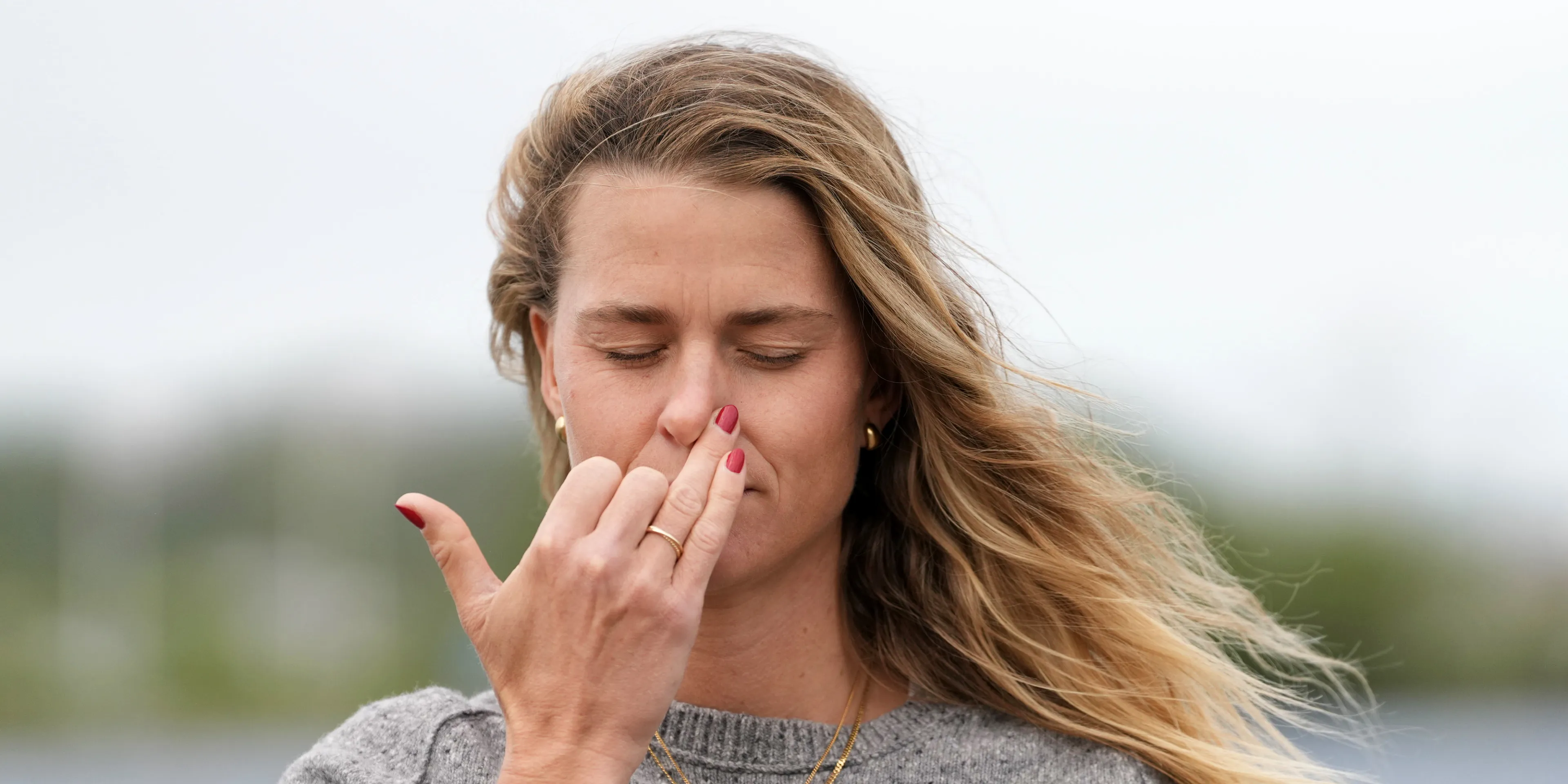
Online Course: Breathwork Essentials
Discover the power of functional breathing and learn the simple shifts that restore calm, focus, and energy in your everyday life.
74.00 EUR
99.00 EUR
How does the breath actually affect you?
In this opening session, Elsa introduces herself and explains the core benefits of functional breathing, explaining how simple shifts in your breath can elevate your physical and mental well-being.
- Duration:
- 5min
BreathingwithElsa Unenge
Short summary
In Breathwork Essentials, certified functional breathing coach Elsa Unenge teaches you how to optimize your breath to improve your day-to-day life. Explore practical, science-backed tools to regulate your nervous system and feel more grounded, energized, and clear-headed.
Read full summary Course content
Class 1: Introduction
Class 1: Introduction
We take our breath for granted because it happens on autopilot, but how you breathe quietly directs almost every system in your body. In this introductory session, we explore the effect of everyday breathing.
1![]()
How does the breath actually affect you?
5 min - Preview
Class 2: Breath Awareness
Class 2: Breath Awareness
We kick off the course with breath awareness. Learn how to pay close attention to your everyday breath and discover the key differences between natural breathing, breathwork, and breath awareness.
Key Guidelines when practicing
- Watch your breath: Pay attention to how each breath feels without trying to change it, fix it, or force a rhythm.
- Let it be: Remember, there is no "right" way to breathe here. Simply let the air come and go on its own.
- Lie down to start: You can do this in any position, but lying on your back is the easiest way to begin.
- Softens your body: Let go of tension—relax your jaw, unclench your teeth, and let your shoulders drop away from your ears.
Learn
1![]()

Get To Know Your Breath
3 min - Preview
Practise
2![]()
Breath Awareness
5 min - Preview
Class 3: Nose vs. Mouth
Class 3: Nose vs. Mouth
Does it really matter whether you breathe through your nose or your mouth? The short answer is: yes. In this section, Elsa break down why your nose is your body’s primary breathing organ and examine how shifting away from mouth breathing may improve your sleep and calm your nervous system.
Key Guidelines when practicing
- Move in a way that feels good: If you prefer not to shake your head, walk in place instead while holding your breath.
- Build up slowly: If this is new to you, begin with short, easy holds. Gradually work your way up to a medium or stronger need for air.
- Recover with slow breaths: Between holds, calm your breathing and take slow, gentle breaths through your nose.
Learn
1![]()

Nose Project
5 min - Preview
Practice
2![]()
Mouth Tape
3 min - Preview
3![]()
Unblock Your Nose
5 min - Preview
Class 4: Belly Breathing vs. Diaphragmatic Breathing
Class 4: Belly Breathing vs. Diaphragmatic Breathing
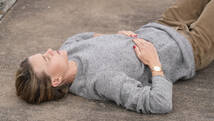
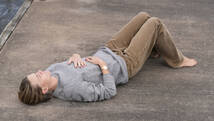
In this session, Elsa will talk about the difference between belly breathing and diaphragmatic breathing. She will uncover the anatomy and mechanics behind your diaphragm and clear up the confusion around how to use it.
This practice consists of two parts. Begin with belly breathing in class 1. Once you feel comfortable and confident in the rhythm, advance to class 2 to practice diaphragmatic breathing.
This practice consists of two parts. Begin with belly breathing in class 1. Once you feel comfortable and confident in the rhythm, advance to class 2 to practice diaphragmatic breathing.
Key Guidelines:
- Belly Breathing: Actively expanding the belly outward on the inhale and letting it draw back in toward the spine on the exhale – a tool for calming the body and mind, and an ideal foundation before advancing to full diaphragmatic breathing.
- Diaphragmatic Breathing: Expanding the lower ribs outward in all directions (360°) on the inhale, and allowing them to glide smoothly back toward the center on the exhale.
Learn
1![]()
Belly Breathing
5 min - Preview
Practise
2![]()
Diaphragmatic Breathing
5 min - Preview
Class 5: Why Less Is More
Class 5: Why Less Is More
Discover the fascinating science of the Bohr Effect, first uncovered in 1904 by Danish physiologist Christian Bohr. In this session, you’ll learn the counterintuitive truth of why breathing less actually delivers more oxygen to your brain and muscles.
Key Guidelines when practicing
- Breathe only through your nose: Keep your breaths so calm, quiet, and small that no one watching can tell you are breathing.
- Create a slight "need for air": Breathe more slowly and stop each inhale a bit earlier than usual. You should feel a mild urge to take a bigger breath, resist it.
- Let the breath fall out: Never push or force the exhale. Just relax and let the air leave naturally.
- Check how it feels:
- Just right: You feel a mild, calm desire for more air.
- Too little: You feel no difference at all (you are breathing too much or too fast).
- Too much: You feel tense or panicked (breathe a little more).
Learn
1![]()
Breathe Less
5 min - Preview
Practise
2![]()
Breathe Light
10 min - Preview
Class 6: The Nervous System
Class 6: The Nervous System
Known in medicine as Respiratory Sinus Arrhythmia (RSA), this natural rhythm links every breath to your pulse: your heart speeds up slightly on the inhale and slows down on the exhale. By tapping into this built-in connection, you can literally use your breath as a remote control for your heart rate and nervous system. In this sections practice, we will explore 4:8 Breathing.
Key Guidelines when practicing
- Follow the 4:8 rhythm: Inhale slowly through your nose for 4 counts, then exhale softly for 8 counts.
- Think subtle, not deep: Avoid giant, heavy lungfuls of air. Keep each breath small, gentle, and relaxed.
- Aim for silence: Your breathing should be quiet and effortless – if you can hear yourself breathing, soften your airflow.
- Slow the pace, reduce the volume: As you extend each breath, focus on taking in less air rather than more.
Safety: If the 4:8-practice makes you stressed or anxious, stop, take a break, and return to it when you feel ready. This might be after just a few minutes or even another day.
Learn
1![]()

Control your Nervous System
5 min - Preview
Practise
2![]()
4:8 Breathing – Calming Breath
10 min - Preview